How Much Does It Cost to Build a Multi-Vendor Marketplace in 2026?
06 Oct, 2026



Building an Airbnb clone is a multidisciplinary endeavor that blends design, engineering, and business strategy. While the technical challenges are significant, the opportunity to innovate within the sharing economy remains strong. By focusing on scalability, trust, and user experience, developers can create a robust platform that stands out in a competitive market. Whether you're launching a startup or building a portfolio project, an Airbnb clone is an excellent way to explore real-world system design and modern web technologies.
The rise of the sharing economy has transformed how people travel, work, and monetize assets. Platforms like Airbnb have redefined accommodation by connecting hosts with guests worldwide. For developers and entrepreneurs, building an Airbnb clone is both an exciting and complex challenge that combines frontend design, backend engineering, and scalable infrastructure. This article breaks down the key components, technologies, and considerations involved in creating a modern Airbnb-like platform.
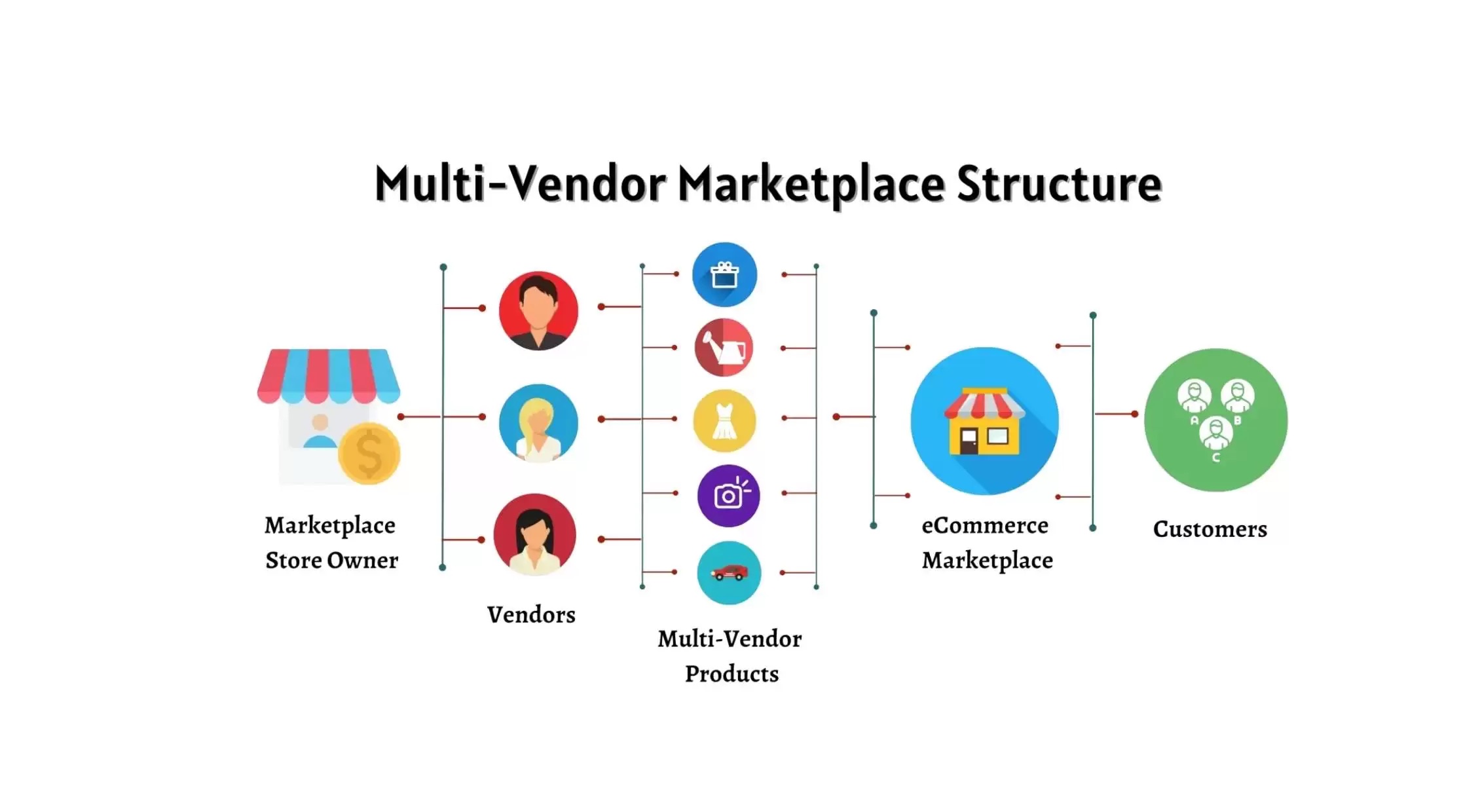
At its heart, an Airbnb clone is a two-sided marketplace. It connects two types of users: hosts, who list properties, and guests, who search and book accommodations. The platform acts as an intermediary, handling discovery, booking, payments, and trust.
To build a successful clone, you must focus on three pillars: user experience, trust and safety, and scalability.
A secure onboarding system is essential. Users should be able to sign up via email, phone, or social logins. Profiles typically include a profile photo, bio, contact information, and verification status. Technologies like Firebase Authentication or OAuth providers can simplify implementation.
Hosts need an intuitive dashboard to add property details such as title, description, amenities, images, pricing, and availability. A well-designed listing system should also support dynamic pricing and calendar syncing.
The search experience is the backbone of the platform. Users should be able to filter by location, price range, property type, and amenities. Advanced implementations use geospatial search tools like Elasticsearch for efficient querying.
The booking flow must be seamless, allowing users to select dates, check availability, and confirm reservations. Concurrency handling is critical to prevent double bookings, which can be addressed using transactional databases or locking mechanisms.
Secure payments are essential. The platform should process guest payments, handle host payouts, and manage refunds and cancellations. Payment gateways like Stripe are widely used, often with escrow systems that release funds after the stay is completed.
Trust is built through transparency. Guests should be able to rate properties based on cleanliness, accuracy, and communication. This requires moderation systems to prevent spam or abuse.
A real-time messaging feature allows communication between hosts and guests. Technologies such as WebSockets or frameworks like Socket.IO are commonly used.
Admins need tools to monitor activity, resolve disputes, and manage users and listings. Analytics dashboards provide insights into platform performance and user behavior.
A scalable Airbnb clone typically uses a microservices architecture instead of a monolithic approach.
Modern frameworks like React and Next.js enable responsive interfaces and server-side rendering for improved SEO.
The backend handles business logic and APIs. Popular choices include Node.js and Django. Developers can choose between REST or GraphQL APIs depending on complexity.
A combination of databases is typically used. Relational databases like PostgreSQL manage structured transactional data, while NoSQL databases such as MongoDB handle flexible schemas. Caching systems like Redis improve performance.
Cloud platforms such as Amazon Web Services provide auto-scaling, load balancing, and storage solutions. Tools like Docker and Kubernetes help manage deployment and scaling.
Scaling an Airbnb clone requires careful planning. Horizontal scaling allows multiple servers to handle traffic. Content Delivery Networks improve image loading speed across regions. Database optimization involves indexing frequently queried fields and using read replicas. Event-driven architecture with message queues enables asynchronous processing for notifications and background tasks.
Security is critical in a platform handling user data and payments. Implement HTTPS encryption, role-based access control, and protections against vulnerabilities like SQL injection and cross-site scripting. Compliance with global data protection regulations is also necessary.
Trust and safety remain major concerns, requiring identity verification and fraud detection systems. Balancing supply and demand is essential for growth. Handling peak traffic during holidays or events requires elastic infrastructure.
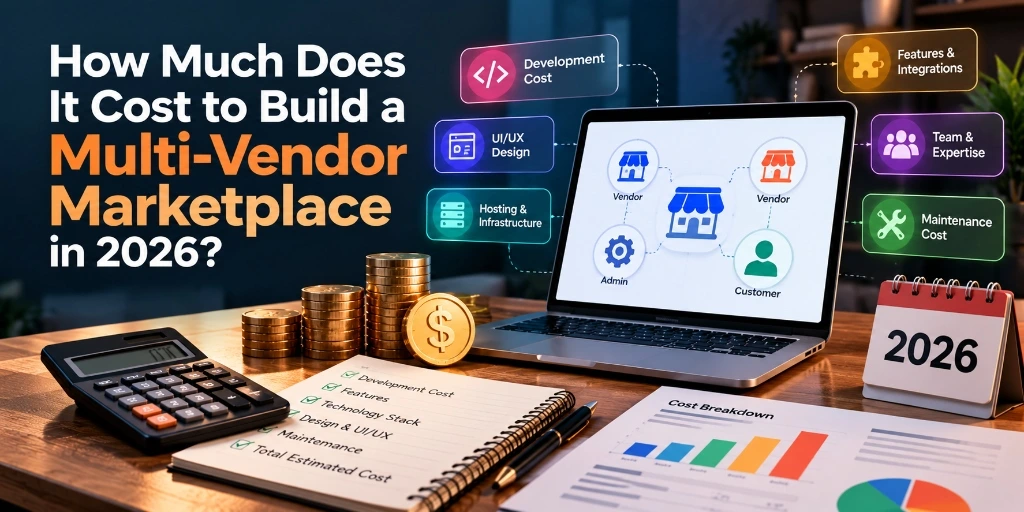
Building a minimum viable product can range from $15,000 to $50,000 for smaller teams, while advanced platforms may exceed $100,000. Costs vary based on features, technology stack, and development team location.
To stay competitive, platforms can incorporate AI-based recommendations, dynamic pricing, and immersive technologies like virtual property tours. Integration with smart devices can further enhance the user experience.
Deploy an enterprise booking platform with real-time calendars, commission management, and automated guest notifications.