How Much Does It Cost to Build a Multi-Vendor Marketplace in 2026?
06 Oct, 2026


Building an Amazon clone is not just about replicating an existing platform—it’s about creating a scalable, user-centric marketplace that meets modern consumer demands. With the right strategy, technology, and execution, it can become a highly profitable and sustainable business. Success in this space requires more than just launching a platform. It demands continuous innovation, strong relationships with sellers, and an unwavering focus on customer satisfaction. By starting with a clear vision and adapting to market trends, you can carve out your place in the competitive world of e-commerce. Whether you’re an entrepreneur, a startup, or an established business looking to expand, an Amazon clone offers a powerful pathway to growth in the digital economy.
In today’s digital-first world, e-commerce has become more than just a trend it’s a fundamental part of how people shop, sell, and interact with brands. Online marketplaces have reshaped consumer expectations, offering convenience, variety, and competitive pricing all in one place. Among these platforms, large multi-vendor marketplaces have set the benchmark for success. For entrepreneurs and businesses looking to enter this space, developing an Amazon-like platform commonly known as an Amazon clone (built under modern website cloning principles) presents a powerful opportunity.
This article explores what an Amazon clone is, why it’s a compelling business model, and how you can build and scale one effectively.
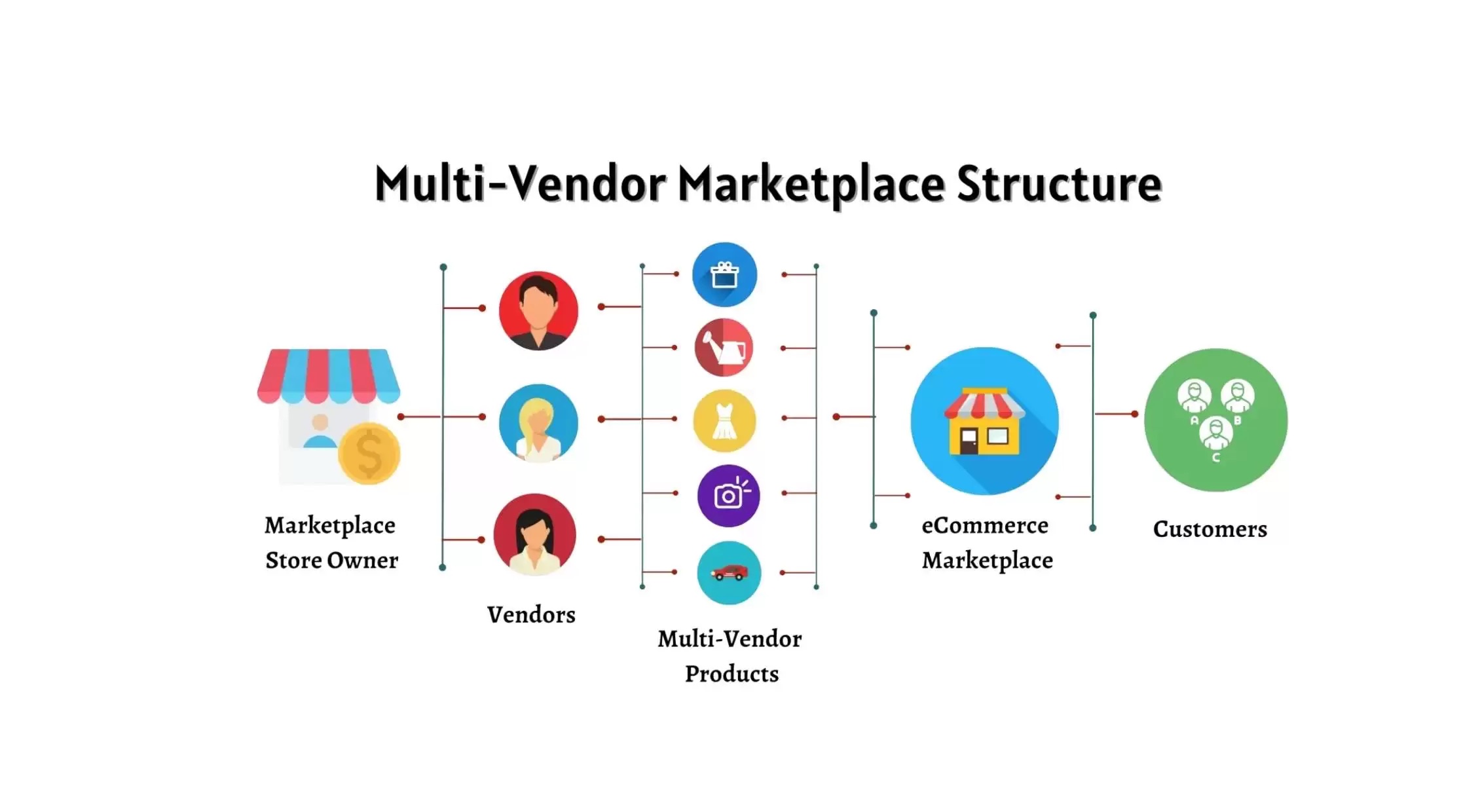
An Amazon clone is an e-commerce platform designed to replicate the core functionalities of a large online marketplace. It allows multiple sellers to list their products while customers can browse, compare, and purchase items from different vendors all within a single platform.
Unlike a traditional online store that sells products from a single business, an Amazon clone acts as a marketplace facilitator. It connects buyers and sellers, handles transactions, and often provides additional services like logistics support, reviews, and recommendations.
The multi-vendor marketplace model has already demonstrated massive success. Instead of relying on a single inventory source, it leverages third-party sellers, making it scalable and flexible.
An Amazon clone doesn’t rely on just product sales. It can generate revenue through:
Seller subscription fees
Commission on each sale
Advertising and sponsored listings
Premium memberships
Logistics and fulfillment services
This diversified income structure makes the business more resilient.
You can start small—perhaps focusing on a niche market—and gradually expand. As more sellers join, your product catalog grows organically without requiring you to manage inventory directly.
Customers prefer platforms where they can find everything in one place. A well-built marketplace offers:
Wide product variety
Competitive pricing
User reviews
Easy comparison
This leads to higher engagement and repeat purchases.
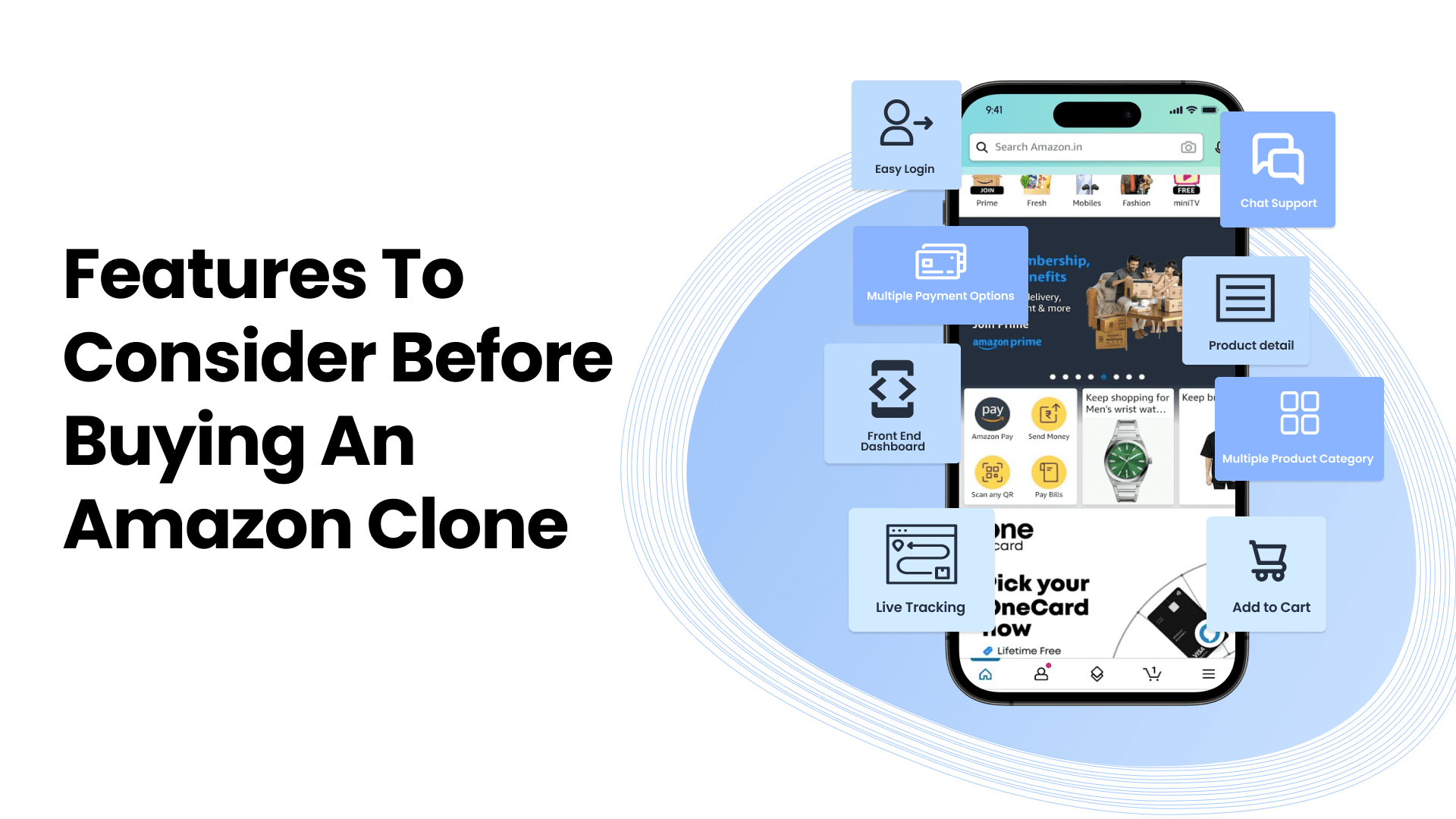
To compete effectively, your platform must include essential features that users expect from modern e-commerce websites.
A clean, intuitive design ensures that users can easily browse products, filter results, and complete purchases without confusion.
Customers should be able to search products using keywords, categories, price ranges, ratings, and more. Smart filtering enhances user experience and increases conversions.
Your platform should allow multiple sellers to:
Create accounts
List products
Manage inventory
Track orders
View sales analytics
An efficient vendor dashboard is crucial.
Support multiple payment options such as credit/debit cards, net banking, digital wallets, and cash on delivery. Security is critical—ensure encrypted transactions and compliance with payment standards.
User-generated reviews build trust and influence purchasing decisions. A transparent rating system improves credibility.
Customers expect real-time updates on their orders. Features like shipment tracking, SMS/email notifications, and delivery estimates enhance satisfaction.
With a significant portion of users shopping via smartphones, your platform must be fully optimized for mobile devices.
A centralized admin panel allows you to:
Manage users and vendors
Monitor transactions
Handle disputes
Analyze performance metrics
Choosing the right technology stack is crucial for performance, scalability, and security.
HTML, CSS, JavaScript
Frameworks like React or Angular
Node.js, Django, or Laravel
MySQL, PostgreSQL, or MongoDB
AWS, Google Cloud, or Azure
Payment gateways
Analytics tools
AI-based recommendation engines
Instead of targeting everything at once, start with a specific niche—electronics, fashion, groceries, or handmade products. A focused approach paired with custom software development helps you build a loyal customer base.
Analyze competitors, identify gaps, and understand customer needs. Look for areas where you can offer better value.
You can:
Build from scratch
Use ready-made scripts
Customize existing e-commerce platforms
Each option has its pros and cons depending on your budget and timeline.
Focus on user experience (UX) and user interface (UI). A well-designed platform encourages users to stay longer and explore more.
Implement essential functionalities such as product listings, cart, checkout, and vendor management.
Partner with reliable payment gateways and delivery services to ensure smooth transactions and timely deliveries.
Conduct thorough testing to identify bugs, improve performance, and ensure security.
Once your platform is ready, launch it with a strong marketing strategy:
Social media campaigns
Influencer collaborations
Search engine optimization (SEO)
Paid advertising
While the opportunity is significant, there are challenges to consider:
The e-commerce space is highly competitive. Differentiation is key.
Attracting reliable sellers can be difficult initially. Offering incentives and support can help.
Handling deliveries, returns, and refunds requires efficient systems and partnerships.
Building trust takes time. Focus on quality service, secure transactions, and transparent policies.
A multi-vendor platform is more complex than a standard online store. It requires robust architecture and ongoing maintenance.
Fast loading times, easy navigation, and responsive support can set you apart.
Encourage sellers to offer competitive prices and deals.
Use data to understand customer behavior, optimize pricing, and improve recommendations.
Your brand identity should reflect trust, reliability, and value.
Regularly update your platform with new features and improvements based on user feedback.
The e-commerce landscape continues to evolve. Here are some trends shaping the future:
AI-powered recommendations, chatbots, and personalized experiences are becoming standard.
Voice search and smart assistants are changing how users shop online.
AR allows customers to visualize products before purchasing, especially in categories like furniture and fashion.
Eco-friendly practices and ethical sourcing are increasingly important to consumers.
Same-day and next-day delivery options are becoming expectations rather than luxuries.
TechXons delivers turnkey, scalable multi-vendor marketplace platforms with 100% source code ownership and complimentary deployment.