

How Much Does It Cost to Build a Multi-Vendor Marketplace in 2026?
06 Oct, 2026


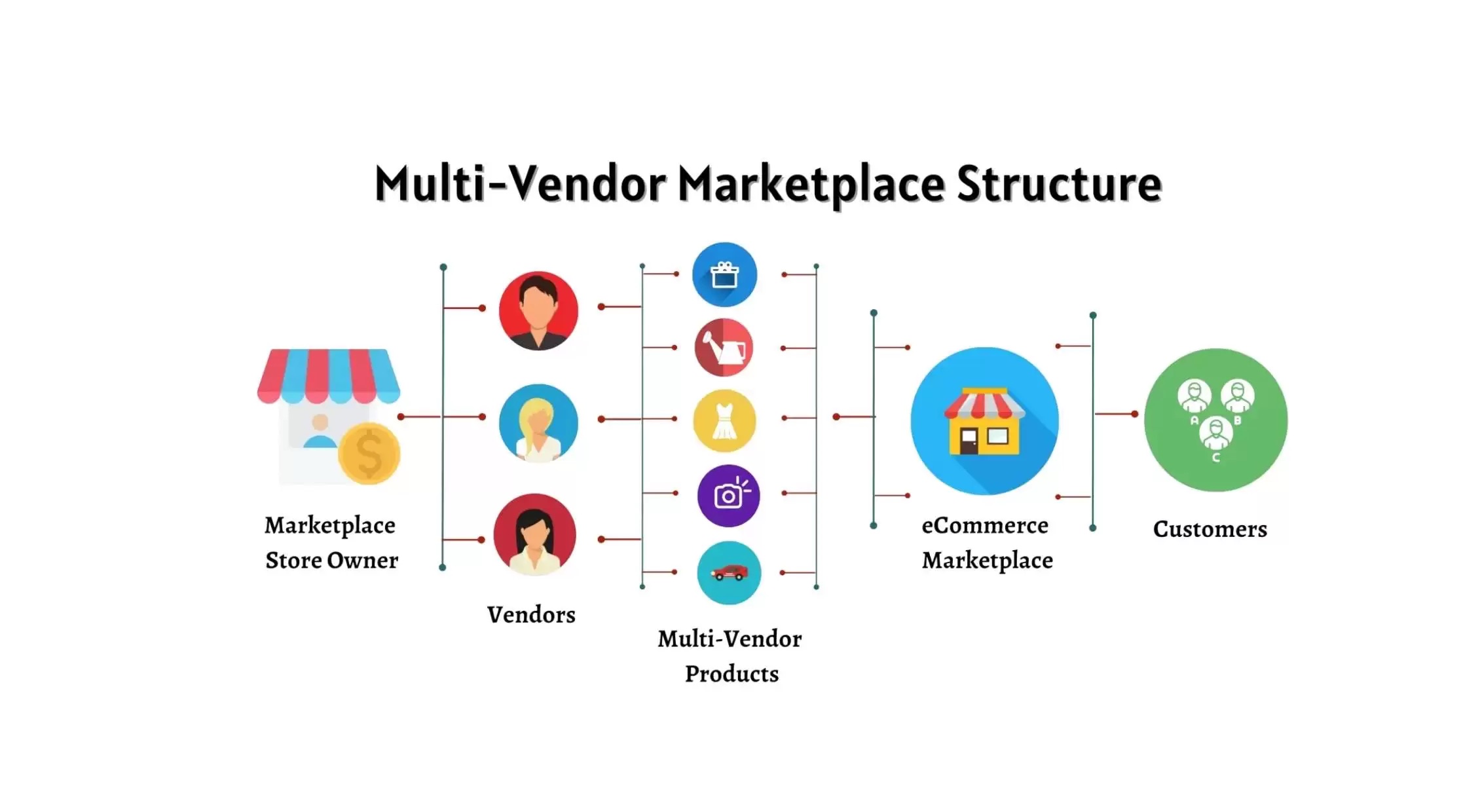
Building a scalable Multi-Vendor Inventory Management Database is essential for modern B2B applications and wholesale marketplaces. A well-structured database enables real-time inventory tracking, vendor management, warehouse coordination, and seamless order processing. By implementing proper database architecture, multi-warehouse support, API integrations, and performance optimization techniques, businesses can create a powerful B2B Inventory Management System capable of supporting thousands of vendors and millions of products. As B2B eCommerce continues to evolve, investing in a robust inventory management foundation will provide the scalability, efficiency, and competitive advantage needed to succeed in the digital marketplace.
As B2B eCommerce continues to grow, businesses are increasingly investing in scalable platforms that can efficiently manage multiple suppliers, warehouses, and product catalogs. At the heart of every successful marketplace lies a robust Multi-Vendor Inventory Management Database that enables real-time inventory tracking, vendor management, and seamless order fulfillment.
Whether you're building a wholesale marketplace like Alibaba, a B2B procurement platform, or a multi-seller eCommerce ecosystem, creating an efficient B2B Inventory Management System is critical for long-term success.
In this guide, we'll explore how to build a scalable multi-vendor inventory management database, the essential database architecture, key features, and best practices for developing a high-performance B2B application.
A Multi-Vendor Inventory Management Database is a centralized system that stores and manages inventory data from multiple suppliers or vendors within a single platform.
Unlike traditional inventory systems that track products from a single business, multi-vendor platforms must handle:
Multiple suppliers
Individual inventory levels
Vendor-specific pricing
Warehouse locations
Product variants
Bulk order management
Real-time stock synchronization
The database serves as the backbone of any Inventory Management Software for B2B applications.
Modern B2B buyers expect accurate stock availability, fast order processing, and transparent supplier information.
Without a proper inventory database, businesses may face:
Stock discrepancies
Overselling products
Delayed shipments
Poor vendor coordination
Customer dissatisfaction
Revenue losses
A well-designed Wholesale Marketplace Inventory Management System ensures data consistency across all vendors and warehouses.
Building a scalable database begins with defining the right data architecture.
This table stores supplier information.
Vendor ID
Company Name
Contact Information
Business Registration Number
Vendor Status
Warehouse Locations
Created Date
This table forms the foundation of your Multi-Vendor Marketplace Development strategy.
Stores all product information listed by vendors.
Product ID
Vendor ID
Product Name
SKU
Category
Description
Price
Images
Status
Each product should be linked to its respective vendor through foreign keys.
The inventory table tracks stock levels in real time.
Inventory ID
Product ID
Vendor ID
Available Quantity
Reserved Quantity
Reorder Level
Last Updated
This table is central to every B2B Inventory Management System.
Many vendors operate from multiple warehouse locations.
Warehouse ID
Vendor ID
Warehouse Name
Location
Capacity
This allows inventory distribution across different fulfillment centers.
Tracks all buyer purchases.
Order ID
Customer ID
Vendor ID
Product ID
Quantity
Order Status
Payment Status
Order data should automatically update inventory levels after successful purchases.
Maintains a complete audit trail of inventory movement.
Transaction ID
Product ID
Transaction Type
Quantity Changed
Reference Number
Timestamp
This improves inventory visibility and accountability.
A successful Multi-Vendor Inventory Management Database relies on proper relational architecture.
One Vendor → Many Products
One Vendor → Many Warehouses
One Product → Multiple Inventory Records
One Order → Multiple Order Items
One Product → Many Inventory Transactions
Using normalized database structures reduces redundancy and improves system performance.
Inventory updates should occur instantly whenever:
Orders are placed
Products are returned
Stock is received
Inventory is transferred
Real-time synchronization prevents overselling and stock inaccuracies.
Large B2B businesses often operate across multiple warehouses.
Your database should support:
Warehouse-level inventory tracking
Regional stock allocation
Transfer requests
Location-based fulfillment
Many B2B products come in multiple variations.
Examples include:
Sizes
Colors
Packaging types
Material grades
Each variant should have its own SKU and inventory record.
Suppliers often manage thousands of products.
Features should include:
CSV imports
Excel uploads
API integrations
Automated stock updates
This enhances the efficiency of Inventory Management Software for B2B marketplaces.
The system should notify vendors when inventory reaches predefined reorder thresholds.
Benefits include:
Reduced stockouts
Better forecasting
Improved customer satisfaction
Selecting the right database is crucial for scalability.
Best for:
Structured inventory data
Relational database systems
Medium-sized marketplaces
Best for:
Complex B2B applications
Advanced analytics
High-volume transactions
Best for:
Flexible product catalogs
Dynamic inventory structures
Large-scale marketplaces
Many modern Multi-Vendor Marketplace Platforms use PostgreSQL for transactional data and MongoDB for product catalog management.
Inventory data often comes from multiple external systems.
Common integrations include:
ERP software
Warehouse management systems
Shipping providers
Accounting software
Supplier databases
REST APIs and GraphQL APIs allow real-time synchronization between systems.
This creates a unified B2B Inventory Management Platform.
As marketplaces grow, database performance becomes increasingly important.
Create indexes for:
Product ID
Vendor ID
SKU
Warehouse ID
Indexes improve search and retrieval speed.
Implement Redis or Memcached to reduce database load.
Benefits include:
Faster page loading
Reduced server stress
Improved user experience
For marketplaces handling millions of products, partitioning inventory and transaction tables can significantly improve performance.
Inventory data is a valuable business asset.
Implement:
Different permissions for:
Admins
Vendors
Warehouse managers
Buyers
Protect sensitive information using:
SSL/TLS encryption
Database encryption
Secure API authentication
Track all inventory changes for compliance and security monitoring.
The future of B2B Inventory Management Systems includes:
Artificial intelligence can predict:
Demand trends
Seasonal fluctuations
Reorder requirements
Smart sensors provide real-time stock visibility across warehouses.
Blockchain technology helps verify inventory movement and supplier authenticity.
Advanced reporting tools help businesses optimize purchasing and inventory planning.