How Much Does It Cost to Build a Multi-Vendor Marketplace in 2026?
06 Oct, 2026


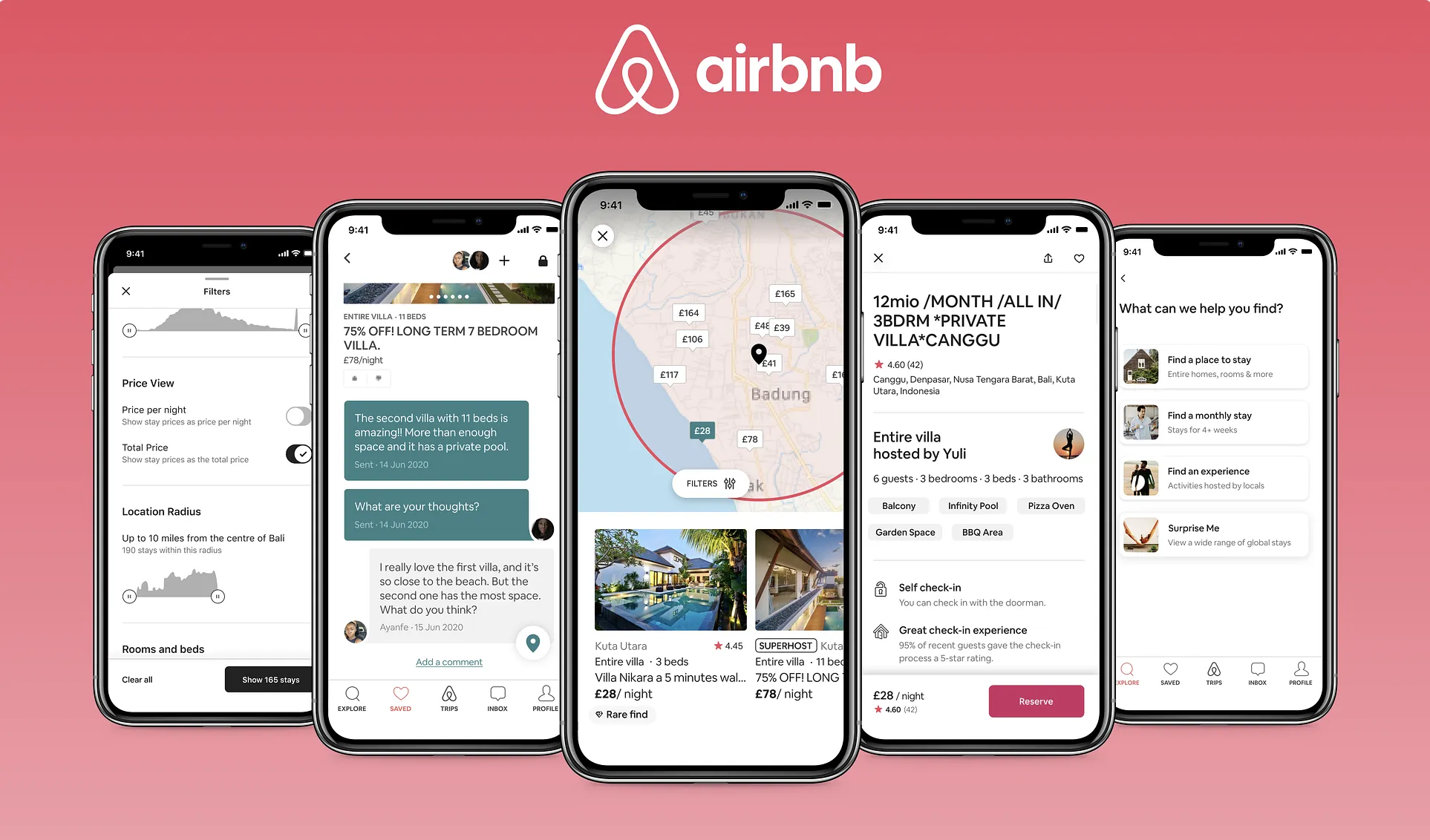
Developing an Airbnb clone is a strategic business opportunity in the growing vacation rental marketplace. Success requires a balanced approach encompassing technical excellence, user-centric design, secure infrastructure, scalable architecture, strong SEO strategy, and effective marketing.
The rapid expansion of the sharing economy has reshaped global travel, and platforms like Airbnb have redefined how people book accommodations. What began as a simple idea—allowing homeowners to rent spare rooms has evolved into a global vacation rental marketplace serving millions of travelers. Today, entrepreneurs and startups are increasingly interested in building an Airbnb clone to enter the thriving short-term rental app development space. Developing an Airbnb-like platform is not merely about copying features; it requires thoughtful system architecture, scalable backend infrastructure, intuitive user experience, secure payment integration, and a strong growth strategy. This comprehensive guide explores how to build an Airbnb clone, covering features, technology stack, development process, monetization strategies, SEO optimization, and scalability considerations.
The demand for an Airbnb clone script has increased because travel behavior has fundamentally changed. Modern travelers prefer flexibility, unique stays, competitive pricing, and personalized experiences over traditional hotels. A vacation rental app offers property owners a digital marketplace to monetize unused space while giving travelers access to diverse accommodations. From beach houses and city apartments to rural cottages and luxury villas, the short-term rental market continues to expand. By investing in a robust Airbnb clone platform, startups can tap into this multi-billion-dollar industry while providing value to both hosts and guests.
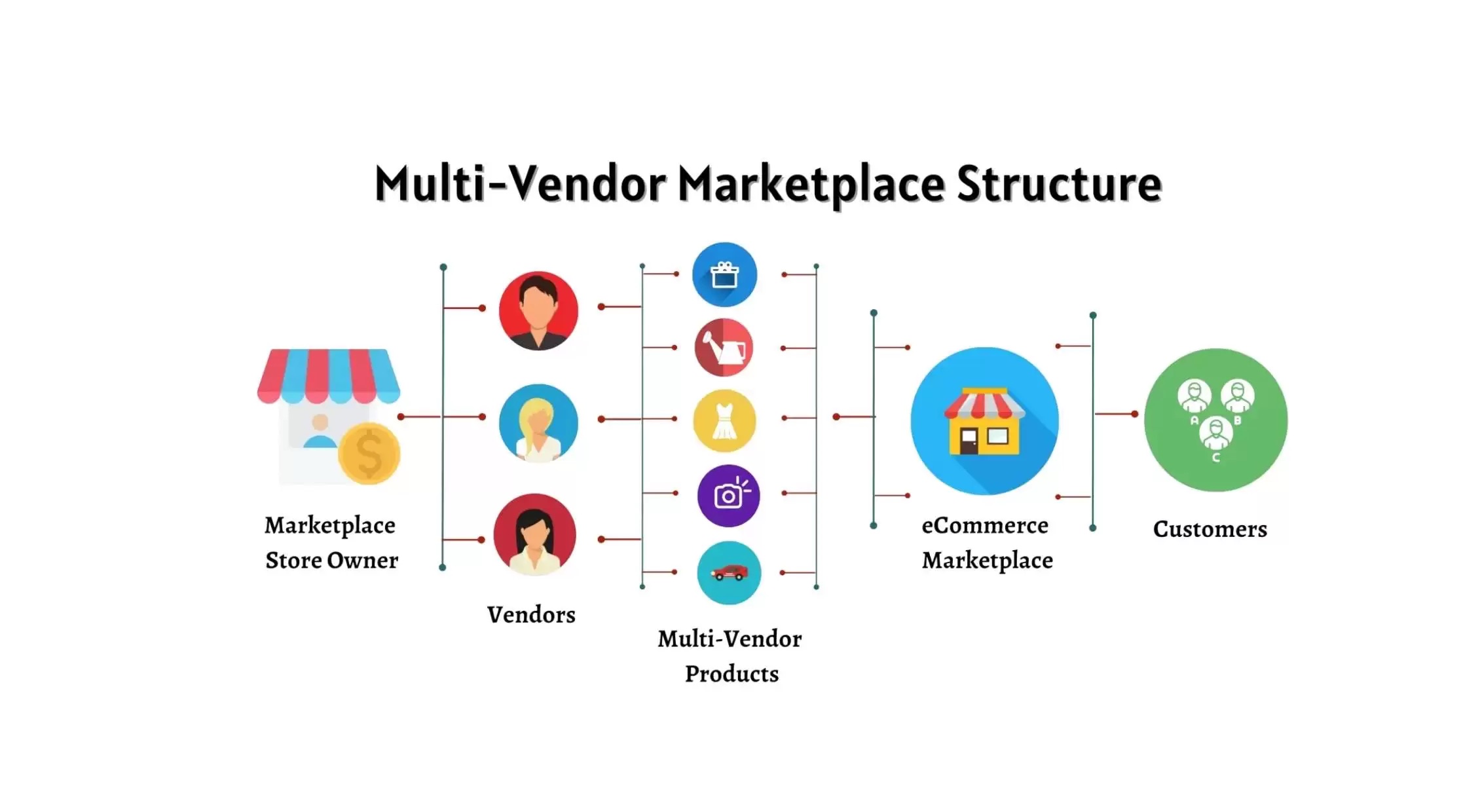
To build a successful Airbnb clone app, it is essential to understand the core business model. The platform operates as a two-sided marketplace connecting hosts and guests. Hosts list their properties with descriptions, pricing, amenities, and availability calendars. Guests search properties based on location, price range, amenities, and reviews. The platform earns revenue through commission on bookings or service fees. This marketplace model requires seamless coordination between listing management, search algorithms, booking systems, payment gateways, and review systems. A well-designed Airbnb clone must ensure trust, transparency, and efficiency throughout the booking lifecycle.
The essential features of an Airbnb clone can be categorized into three main modules: user module, host module, and admin module. The user module includes account registration, social login, advanced search filters, property browsing, wishlist, booking system, secure payments, messaging system, and reviews. The host module allows property listing creation, calendar management, pricing configuration, booking approvals, earnings dashboard, and performance analytics. The admin module provides complete control over users, listings, payments, dispute resolution, commission management, and platform analytics. Incorporating these features ensures that your Airbnb clone website delivers a complete vacation rental marketplace experience.
From a technical standpoint, selecting the right technology stack is critical in Airbnb clone app development. For frontend development, technologies such as React.js, Vue.js, or Angular can be used to create dynamic and responsive user interfaces. For mobile app development, Flutter or React Native enables cross-platform development for iOS and Android. Backend technologies may include Node.js, Laravel, Django, or Ruby on Rails. Databases such as PostgreSQL or MySQL manage structured data, while Redis can be used for caching to improve performance. Cloud hosting providers like AWS or Google Cloud support scalability, load balancing, and content delivery networks (CDNs). A well-architected Airbnb clone script should follow microservices architecture for high availability and fault tolerance.
Search functionality plays a vital role in any vacation rental app. Users expect intelligent search results based on location, date availability, pricing, property type, amenities, and ratings. Implementing geo-location services using Google Maps API enhances the search experience. ElasticSearch or similar search engines can improve filtering and sorting performance. An optimized search algorithm directly impacts user satisfaction and conversion rates. Therefore, investing in robust search and filtering mechanisms is crucial when building an Airbnb clone.
Secure payment integration is another fundamental aspect of short-term rental app development. The platform must support multiple payment methods, including credit cards, debit cards, digital wallets, and international transactions. Payment gateways such as Stripe or Razorpay can facilitate secure transactions. Escrow systems ensure that payment is released to hosts only after check-in confirmation. Additionally, refund policies, cancellation rules, and service fees should be clearly defined. A secure payment infrastructure builds trust and ensures compliance with financial regulations.
Trust and safety are central to the success of an Airbnb clone platform. Implementing user verification, identity authentication, two-factor authentication (2FA), and secure messaging prevents fraudulent activities. Review and rating systems encourage accountability and transparency. Admin-level moderation tools help monitor suspicious listings or user behavior. Data encryption, secure API endpoints, and compliance with data protection laws further enhance platform security. A trusted vacation rental marketplace attracts repeat users and strengthens brand credibility.
Scalability is a significant consideration in Airbnb clone development. As user traffic increases, the platform must handle thousands of concurrent searches and bookings without performance degradation. Using cloud infrastructure with auto-scaling groups ensures optimal resource allocation. Load balancers distribute traffic efficiently across servers. Database indexing and query optimization improve performance. Implementing caching layers reduces server load. A scalable architecture ensures that your Airbnb clone app can grow without technical limitations.
Monetization strategies for an Airbnb clone website extend beyond booking commissions. The platform can generate revenue through service fees, featured property listings, promotional advertising, premium host subscriptions, cancellation fees, and add-on services such as travel insurance or cleaning services. Diversified monetization strengthens revenue streams and enhances long-term sustainability. A clear pricing structure combined with transparent policies builds trust among hosts and guests.
Search engine optimization (SEO) plays a vital role in driving organic traffic to your Airbnb clone platform. Optimizing property listing pages with targeted keywords such as “vacation rental app,” “Airbnb clone script,” “short-term rental marketplace,” and “holiday rental booking platform” improves search engine visibility. Creating city-based landing pages, travel guides, and blog content increases keyword relevance. Structured data markup enhances search engine indexing. Fast-loading pages, mobile responsiveness, and secure HTTPS connections further improve SEO ranking. Investing in SEO ensures long-term organic growth without relying solely on paid advertising.
Marketing strategy is equally important in launching an Airbnb clone startup. Digital marketing channels such as social media advertising, Google Ads, influencer partnerships, and content marketing can attract initial users. Referral programs incentivize hosts and guests to invite others. Email marketing campaigns keep users engaged with promotional offers. Partnering with local property owners and real estate agencies accelerates listing growth. A strong marketing plan combined with user-friendly platform design drives early traction.
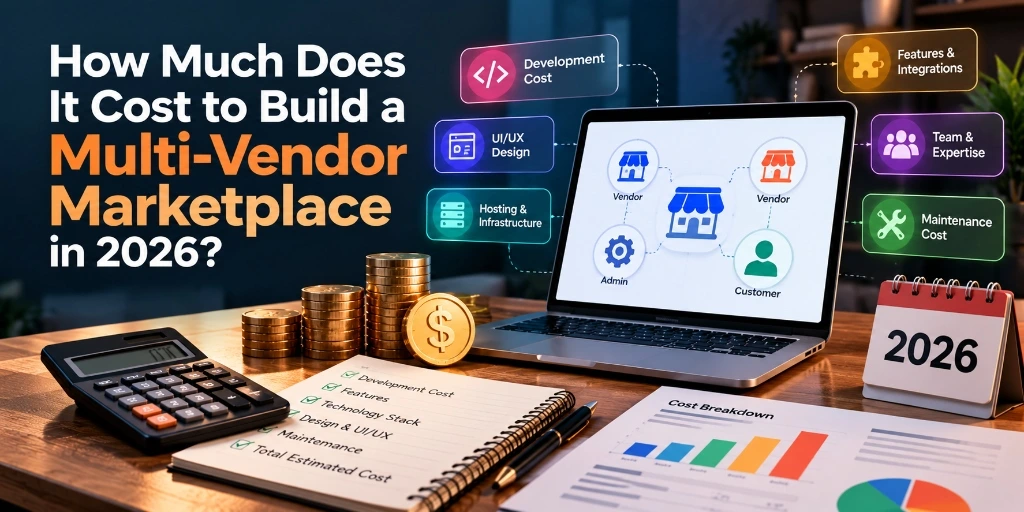
When considering development cost, several factors influence the budget for building an Airbnb clone app. The cost depends on platform complexity, number of features, development team location, technology stack, UI/UX design quality, third-party integrations, and post-launch maintenance. A basic Airbnb clone script with essential features may require moderate investment, while a fully customized, enterprise-grade vacation rental marketplace demands higher resources. Maintenance costs, server hosting fees, and security updates should also be factored into the overall budget.
Legal compliance is another critical aspect of launching a short-term rental app. Different regions have varying regulations governing vacation rentals. It is essential to include terms and conditions, privacy policy, host agreements, and cancellation policies. Tax compliance, especially regarding service taxes or occupancy taxes, must be addressed. Consulting legal professionals ensures that your Airbnb clone operates within regulatory frameworks and avoids potential penalties.
User experience (UX) design significantly influences the success of an Airbnb clone platform. A clean interface, intuitive navigation, quick search results, and seamless booking flow enhance user satisfaction. Responsive design ensures compatibility across devices. Clear property images, detailed descriptions, and transparent pricing reduce booking friction. Incorporating real-time chat between hosts and guests fosters communication and trust. A thoughtfully designed user interface increases conversion rates and customer retention.
Data analytics and business intelligence tools empower administrators to make informed decisions. Tracking key performance indicators (KPIs) such as booking rates, average stay duration, revenue per listing, user acquisition cost, and churn rate provides actionable insights. Predictive analytics can optimize pricing strategies. Implementing dashboards for hosts enables them to monitor occupancy rates and earnings. Data-driven decision-making enhances operational efficiency and platform profitability.
Also Read : TikTok Clone App Development: Complete Guide to Building a Scalable Short Video Sharing Platform
Building an Airbnb clone also presents opportunities for niche specialization. Instead of targeting global markets immediately, startups can focus on specific segments such as luxury villas, eco-friendly stays, student housing, corporate travel accommodations, or regional tourism destinations. A niche-focused vacation rental marketplace reduces competition and establishes brand authority in targeted demographics. Gradual expansion into broader markets becomes easier once the platform gains traction.
The future of Airbnb clone app development lies in emerging technologies. Artificial intelligence can personalize search results and recommend properties based on user behavior. Machine learning algorithms optimize dynamic pricing. Blockchain technology enhances secure transactions and identity verification. Augmented reality (AR) allows virtual property tours. Integrating these advanced technologies elevates user experience and differentiates your platform from competitors.