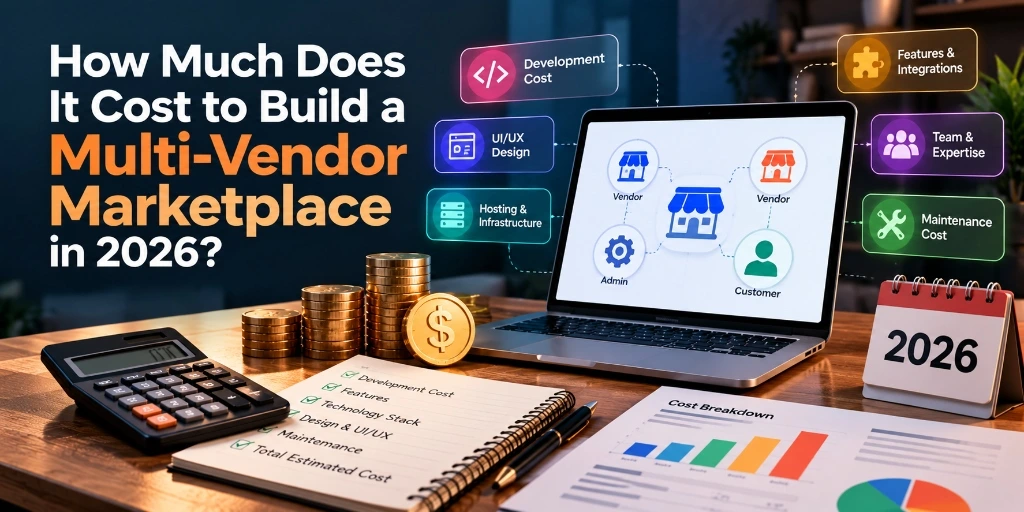
How Much Does It Cost to Build a Multi-Vendor Marketplace in 2026?
06 Oct, 2026


A Glovo clone represents a powerful business opportunity in the growing on-demand economy. By offering multi-service delivery through a single platform, businesses can cater to a wide audience and generate multiple revenue streams. However, success requires careful planning, robust technology, and a strong focus on user experience. From feature selection and development to marketing and scaling, every step plays a crucial role in building a competitive app. By staying innovative and responsive to market trends, entrepreneurs can create a successful Glovo-like platform that meets modern consumer demands and stands out in a crowded marketplace.
The rapid rise of on-demand delivery services has transformed how people access food, groceries, medicines, and everyday essentials. Among the pioneers of this transformation is Glovo, a platform that allows users to order almost anything within their city and have it delivered quickly. For entrepreneurs and businesses looking to enter this lucrative market, developing a Glovo clone can be a strategic move. This article explores what a Glovo clone is, its key features, benefits, development process, and challenges involved in building a successful multi-service delivery app.
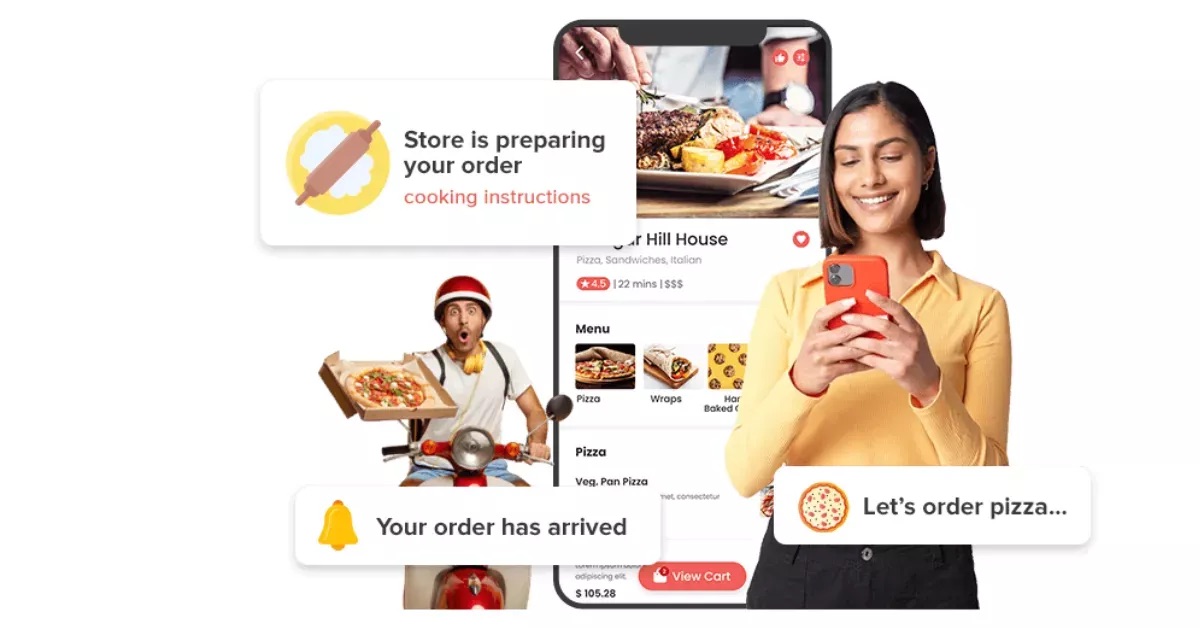
A Glovo clone is an application modeled after the Glovo platform, designed to provide multi-category delivery services. Unlike single-purpose delivery apps that focus only on food or groceries, a Glovo-like app allows users to order from restaurants, supermarkets, pharmacies, and even request courier services—all within a single platform.
The concept revolves around convenience. Users can browse items, place orders, track deliveries in real time, and receive goods at their doorstep quickly. Businesses benefit by expanding their reach, while delivery partners gain flexible earning opportunities.
The demand for delivery services has surged due to urbanization, busy lifestyles, and increased smartphone penetration. A Glovo clone offers several advantages:
1. Multi-Revenue Streams
A Glovo clone generates income through delivery fees, commissions from vendors, surge pricing, advertisements, and subscription plans.
2. High Market Demand
Consumers increasingly prefer convenience over traditional shopping, making on-demand delivery apps highly popular.
3. Scalability
The platform can start in a single city and expand to multiple regions with additional services.
4. Business Versatility
It supports various industries including food, grocery, pharmacy, and courier services.
To compete in the market, your app must include essential features that enhance user experience and operational efficiency.
Easy Registration/Login (via email, phone, or social media)
Search and Filters for finding products or services
Real-Time Tracking of orders
Multiple Payment Options (cards, wallets, cash on delivery)
Order History and Reordering
Ratings and Reviews
Push Notifications for updates and offers
Profile Management
Order Notifications
Navigation and Route Optimization
Earnings Dashboard
Availability Toggle (Online/Offline)
Product/Menu Management
Order Management System
Sales Analytics
Inventory Tracking
User and Vendor Management
Commission and Pricing Control
Analytics and Reports
Promo Code Management
Dispute Resolution Tools
To differentiate your Glovo clone from competitors, consider integrating advanced features:
AI-Based Recommendations: Suggest products based on user behavior.
Voice Search: Enable hands-free ordering.
Scheduled Deliveries: Allow users to choose delivery times.
Multi-Language Support: Cater to diverse user bases.
In-App Chat Support: Improve communication between users, drivers, and vendors.
Subscription Plans: Offer free delivery or discounts for premium users.
Choosing the right technology stack is crucial for performance and scalability.
Frontend: React Native, Flutter, or Swift (iOS), Kotlin (Android)
Backend: Node.js, Django, or Ruby on Rails
Database: MongoDB, PostgreSQL, or MySQL
Real-Time Tracking: Google Maps API or Mapbox
Payment Integration: Stripe, PayPal, Razorpay
Cloud Services: AWS, Google Cloud, or Azure
Understand your target audience, competitors, and regional demand. Identify gaps in existing services.
Decide whether you want a full-featured multi-service app or start with a niche (e.g., food delivery) and expand later.
Design an intuitive interface that ensures smooth navigation and quick ordering.
Develop the user app, delivery app, and admin panel simultaneously or in phases.
Perform rigorous testing for bugs, performance issues, and security vulnerabilities.
Release the app on app stores and promote it through digital marketing, social media, and partnerships.
The cost depends on several factors such as features, complexity, and development location. On average:
Basic App: $15,000 – $30,000
Mid-Level App: $30,000 – $70,000
Advanced App: $70,000 – $150,000+
Additional costs include maintenance, updates, marketing, and server hosting.
While the opportunity is promising, there are several challenges:
1. High Competition
Established players dominate the market, requiring strong differentiation.
2. Logistics Management
Ensuring timely deliveries and efficient routing can be complex.
3. User Retention
Keeping users engaged requires continuous innovation and offers.
4. Vendor Onboarding
Convincing businesses to join your platform can be difficult initially.
5. Regulatory Compliance
Adhering to local laws related to delivery, labor, and payments is essential.
To build a successful Glovo clone, consider the following strategies:
Focus on a Niche First: Start with a specific category and expand gradually.
Offer Competitive Pricing: Attract users with discounts and loyalty programs.
Ensure Fast Deliveries: Optimize logistics for speed and efficiency.
Leverage Data Analytics: Understand user behavior and improve services.
Build Strong Partnerships: Collaborate with local businesses and vendors.
The delivery industry continues to evolve with emerging technologies:
Drone Deliveries: Faster and contactless delivery methods
Autonomous Vehicles: Reducing dependency on human drivers
Sustainability Initiatives: Eco-friendly packaging and electric delivery vehicles
Hyperlocal Services: Faster deliveries within smaller geographic areas