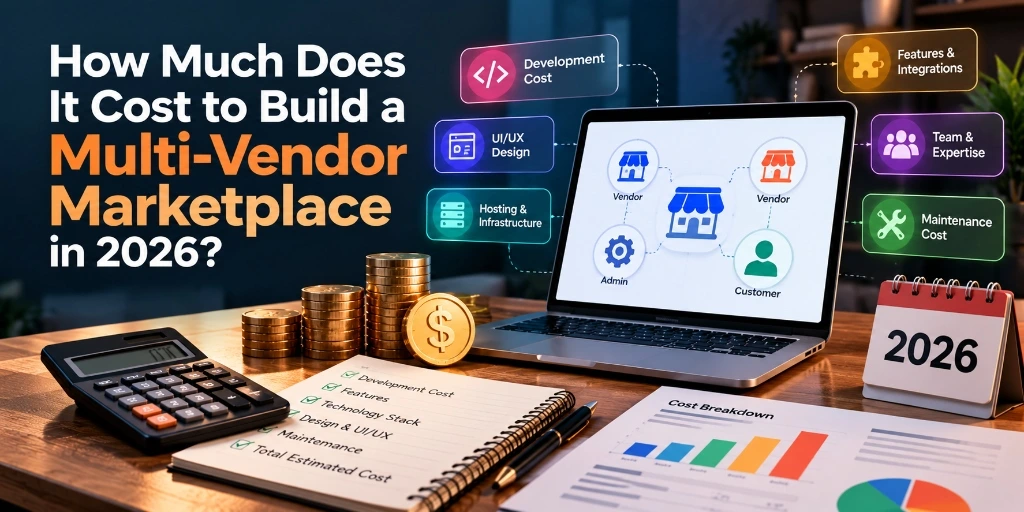
How Much Does It Cost to Build a Multi-Vendor Marketplace in 2026?
06 Oct, 2026


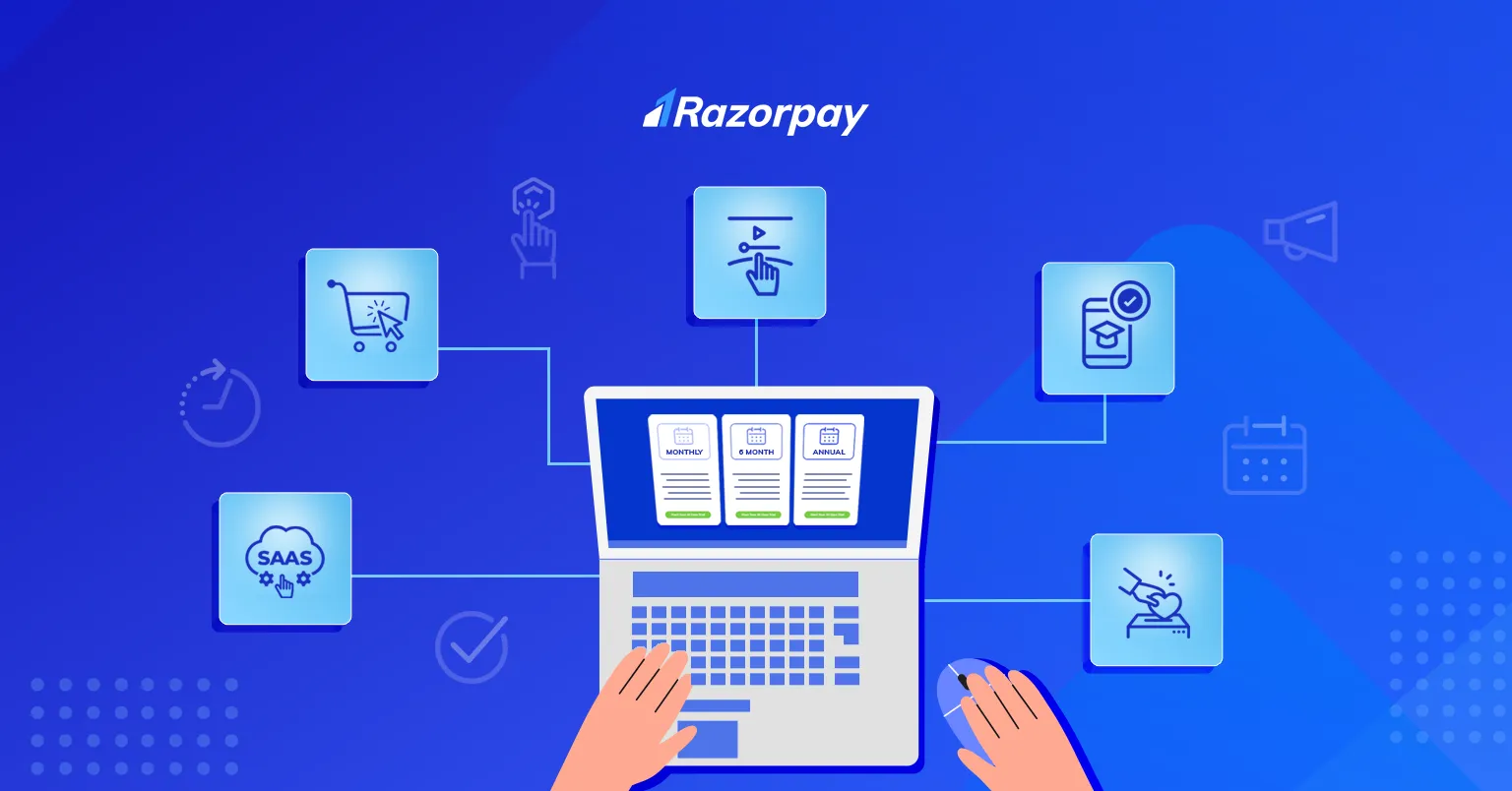
Razorpay’s business model in 2026 represents a mature fintech strategy built on technology, trust, and ecosystem thinking. By moving beyond payments into banking, credit, and financial automation, Razorpay has positioned itself as a critical infrastructure provider for India’s digital economy.
Razorpay has emerged as one of India’s most influential fintech companies, transforming how businesses accept, manage, and disburse digital payments. Founded with the vision of simplifying online transactions for Indian businesses, Razorpay has steadily evolved from a payment gateway into a full-stack financial solutions provider. As of 2026, its business model reflects maturity, diversification, and deep alignment with India’s digital economy.
This article provides a comprehensive breakdown of Razorpay’s business model, revenue streams, target customers, competitive strategy, and long-term growth outlook.
Razorpay operates as a technology-driven financial platform that enables businesses to accept payments, automate financial operations, and access banking-like services without relying entirely on traditional banks. Its core strength lies in building developer-friendly, scalable, and compliant fintech infrastructure.
By positioning itself as more than a payment gateway, Razorpay has successfully created an ecosystem that supports startups, SMEs, enterprises, and digital-first businesses.
Razorpay’s value proposition rests on four fundamental pillars:
Simplified payment acceptance across multiple channels
Seamless financial operations through automation
Embedded banking and credit solutions
Developer-centric APIs with high reliability and security
The platform reduces operational friction for businesses while ensuring regulatory compliance and scalability.
The payment gateway remains Razorpay’s foundational product. It supports a wide range of payment methods, including UPI, credit cards, debit cards, net banking, wallets, and international payments. High success rates, fast settlement cycles, and smart routing differentiate Razorpay from many competitors.
RazorpayX extends beyond payments into banking operations. It offers businesses virtual accounts, automated payouts, payroll management, vendor payments, and real-time reconciliation. This product allows companies to manage cash flows efficiently without complex banking integrations.
Razorpay enables subscription-based businesses to manage recurring billing, smart retries, invoicing, and compliance with evolving RBI guidelines. This is particularly valuable for SaaS platforms, OTT services, and membership-based businesses.
Through partnerships with financial institutions, Razorpay offers working capital loans and credit access to merchants based on transaction history and cash flow patterns. This data-driven lending model reduces risk while enabling faster credit decisions.
Razorpay’s APIs integrate seamlessly with e-commerce platforms, accounting tools, ERP systems, and mobile applications. This developer-first approach has been a critical adoption driver.
Razorpay follows a diversified revenue model designed for long-term sustainability.
The primary revenue source is transaction-based pricing. Razorpay charges merchants a percentage fee on successful transactions. Pricing varies depending on payment method, transaction volume, and business category.
Advanced features such as analytics, smart retries, subscription management, and premium dashboards are offered under subscription-based pricing plans.
Funds temporarily held in virtual accounts and settlements generate float income. Additionally, Razorpay earns through banking partnerships and value-added financial services.
Razorpay earns commissions and revenue shares from partner financial institutions when merchants avail credit products.
Razorpay serves a broad spectrum of customers:
Startups and early-stage businesses
Small and medium enterprises (SMEs)
Large enterprises and marketplaces
SaaS companies and subscription platforms
Digital-first brands and creators
This wide customer base helps Razorpay reduce dependency on any single segment.
Razorpay’s growth strategy is driven by a combination of self-serve adoption and enterprise sales.
For startups and SMEs, the platform emphasizes ease of onboarding, transparent pricing, and developer documentation. For large enterprises, Razorpay offers customized solutions, dedicated account managers, and high-volume transaction handling.
Strategic partnerships with e-commerce platforms, fintech ecosystems, and banks further strengthen market penetration.
Several factors give Razorpay a strong competitive edge:
End-to-end fintech ecosystem rather than a single product
Superior developer experience and API reliability
Strong compliance with Indian regulatory frameworks
Data-driven underwriting for credit offerings
Brand trust built through consistent performance
These advantages make Razorpay difficult to replace once integrated deeply into a business’s operations.
Operating in India’s heavily regulated financial ecosystem, Razorpay invests significantly in compliance, data security, and governance. It adheres to RBI guidelines, PCI-DSS standards, and evolving digital payment regulations. This proactive compliance approach enhances trust among enterprises and financial partners.
Also Read : White-Label Fiverr App Security: Risks, Compliance & Safety Explained
By 2026, Razorpay’s strategy focuses on:
Deepening adoption of RazorpayX and neo-banking products
Expanding credit and lending capabilities responsibly
Leveraging data analytics for smarter financial insights
Supporting global expansion for Indian businesses
Strengthening AI-driven fraud detection and risk management
Rather than aggressive diversification, Razorpay prioritizes strengthening its core ecosystem.
Despite its strong position, Razorpay faces challenges such as increasing competition, regulatory uncertainty, margin pressure on transaction fees, and dependency on payment volumes. Sustained innovation and compliance will be critical to mitigating these risks.