
How Much Does It Cost to Build a Multi-Vendor Marketplace in 2026?
06 Oct, 2026


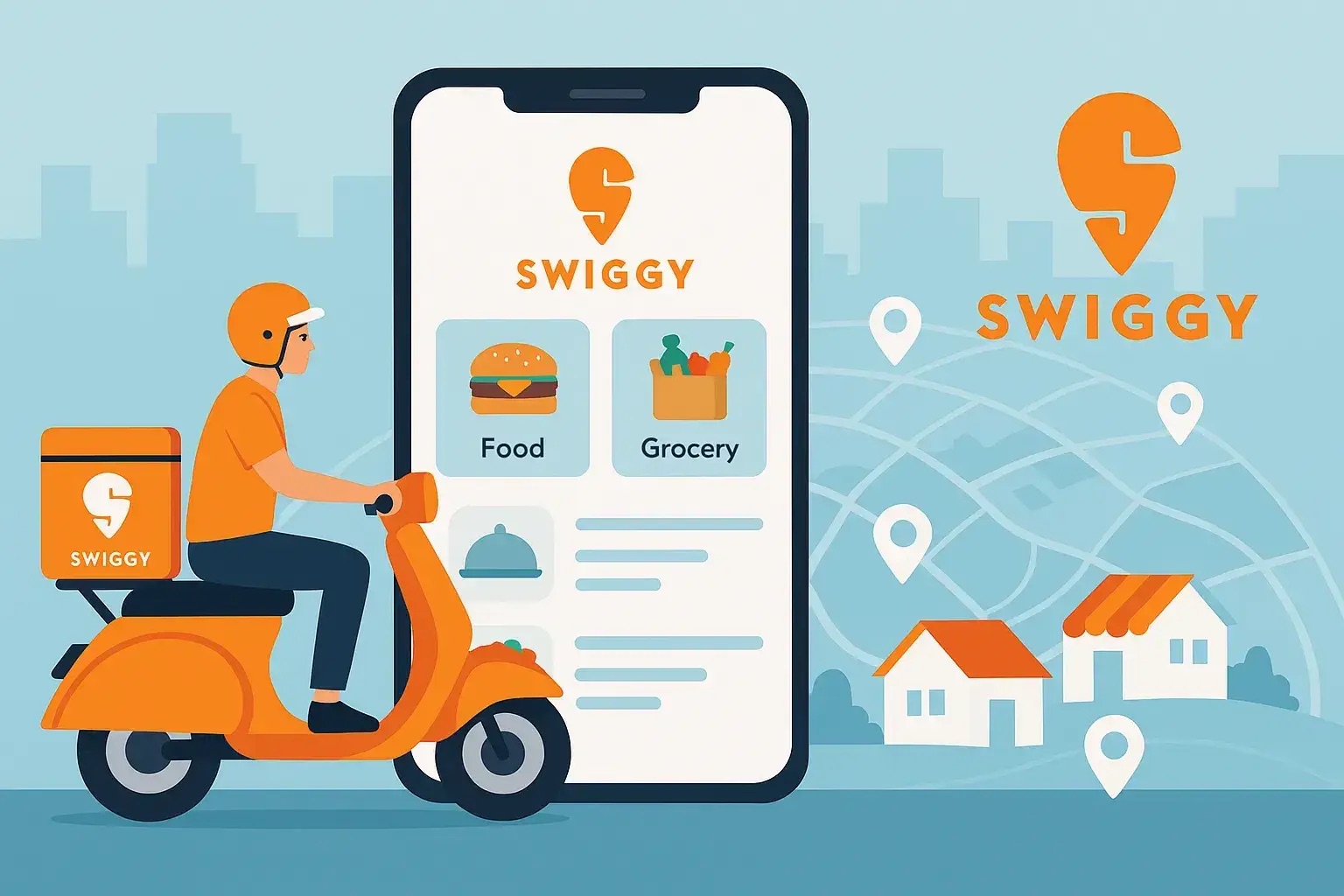
The evolution of food delivery apps reflects broader changes in consumer behavior, digital technology, and urban lifestyles. Companies like Swiggy and Uber Eats have set high standards for speed, convenience, and user experience, making the market both exciting and highly competitive. For startups looking to compete in this space, success requires more than simply launching an app. It demands advanced technology, strong logistics infrastructure, customer-centric design, innovative business models, and strategic partnerships. The future of food delivery belongs to platforms that can adapt quickly, embrace innovation, and consistently deliver value to both customers and restaurant partners.
The food delivery industry has transformed dramatically over the last decade. What began as a simple convenience service has evolved into a multi-billion-dollar digital ecosystem powered by technology, logistics, customer experience, and data intelligence. Companies like Swiggy and Uber Eats have redefined how consumers order meals, creating an environment where speed, personalization, and reliability are critical to success.
Today, food delivery apps are no longer just intermediaries between restaurants and customers. They are technology-driven platforms offering real-time tracking, AI-based recommendations, cloud kitchens, loyalty programs, subscription models, and instant customer support. For startups and entrepreneurs entering this competitive market, understanding the evolution of food delivery apps is essential to building a sustainable business capable of competing with industry leaders.
In the early days, food delivery services operated primarily through phone calls and local restaurant networks. Customers had limited options, and delivery times were unpredictable. The introduction of smartphones and mobile applications changed everything.
Food delivery apps emerged as centralized platforms where users could browse menus, compare restaurants, place orders, and make digital payments seamlessly. As internet penetration increased and urban lifestyles became busier, demand for convenience skyrocketed.
Companies like Swiggy and Uber Eats capitalized on this shift by creating highly scalable digital ecosystems. They focused not only on connecting restaurants with users but also on solving operational challenges such as delivery logistics, route optimization, and customer retention.
The COVID-19 pandemic further accelerated the growth of the industry. Lockdowns and social distancing measures made food delivery an essential service rather than a luxury. During this period, customers became more dependent on digital ordering, and restaurants increasingly relied on delivery platforms for survival.
To compete with market leaders, a food delivery app must offer more than basic ordering functionality. Modern consumers expect a seamless and engaging experience across every touchpoint.
The success of a food delivery app begins with simplicity. Customers should be able to search restaurants, explore menus, customize meals, and complete payments within minutes.
An intuitive interface with clean navigation, appealing visuals, and responsive design enhances user satisfaction and reduces cart abandonment rates.
One of the biggest innovations in food delivery has been live order tracking. Customers now expect real-time updates about order preparation, driver location, and estimated delivery times.
GPS integration and route optimization technology help improve delivery efficiency while increasing transparency and trust.
Modern food delivery apps must support digital wallets, credit cards, UPI payments, net banking, and cash-on-delivery options. Flexible payment systems improve accessibility and customer convenience.
Secure payment gateways are equally important for protecting user data and building confidence in the platform.
Artificial intelligence and machine learning have become major differentiators in the food delivery space. By analyzing customer preferences, order history, and browsing behavior, apps can provide personalized restaurant and meal recommendations.
This level of personalization increases engagement and encourages repeat purchases.
Customer feedback systems help users make informed decisions while motivating restaurants to maintain quality standards. Reviews and ratings also contribute to platform credibility and trustworthiness.
Subscription models have become increasingly popular among major food delivery platforms. Features such as free delivery, exclusive discounts, and reward points encourage customer retention and higher order frequency.
Competing with Swiggy and Uber Eats requires strong retention strategies rather than relying solely on customer acquisition.
Technology is the backbone of every successful food delivery platform. Companies that invest in advanced digital infrastructure gain a significant competitive advantage.
AI enables predictive ordering, demand forecasting, and personalized marketing. Data analytics helps platforms understand customer behavior, optimize delivery routes, and identify peak ordering times.
This information allows businesses to improve operational efficiency while reducing delivery costs.
Food delivery apps must handle thousands of simultaneous users and transactions. Cloud-based systems provide scalability, speed, and reliability, ensuring uninterrupted service during high-demand periods.
Efficient logistics are critical in the food delivery industry. Advanced GPS systems and route optimization algorithms reduce delivery times and fuel costs while improving driver productivity.
AI-powered chatbots provide instant responses to customer queries and complaints, improving user satisfaction and reducing support costs.
Quick issue resolution is essential in an industry where customer expectations are extremely high.
One of the most significant trends in the evolution of food delivery apps is the rise of cloud kitchens, also known as ghost kitchens or virtual restaurants.
Cloud kitchens operate exclusively for online delivery without dine-in facilities. This model reduces operational costs and allows restaurants to focus entirely on delivery efficiency.
Food delivery platforms are increasingly investing in cloud kitchens to expand restaurant options, improve delivery speed, and increase profitability.
For startups, partnering with cloud kitchens can provide a cost-effective way to scale operations quickly.
Despite the growing demand for food delivery services, entering the market is challenging. Companies competing with Swiggy and Uber Eats face several obstacles.
The food delivery market is highly competitive, and attracting users often requires aggressive discounts and marketing campaigns.
Established players already have strong brand recognition and customer loyalty, making it difficult for new entrants to gain traction.
Managing delivery operations efficiently is one of the biggest challenges in the industry. Delayed deliveries, poor driver management, and inefficient routing can negatively impact customer satisfaction.
Building strong relationships with restaurants is essential. Platforms must offer fair commission structures, marketing support, and reliable order management systems to attract quality restaurant partners.
Many food delivery companies struggle with profitability due to high operational expenses, delivery costs, and promotional spending.
Achieving long-term sustainability requires balancing customer satisfaction with efficient cost management.
To succeed in this competitive industry, startups must focus on innovation, differentiation, and operational excellence.
Instead of competing directly with industry giants, startups can target niche segments such as healthy meals, vegan food, local cuisine, or corporate lunch delivery.
Specialization helps build a loyal customer base and reduces direct competition.
Fast delivery is one of the most important factors influencing customer satisfaction. Investing in efficient logistics systems and localized delivery networks can provide a significant advantage.
Gamification, personalized offers, AI-driven suggestions, and interactive features can improve engagement and increase customer loyalty.
A compelling brand story, consistent marketing, and exceptional customer service can help differentiate a new food delivery app from competitors.
Future-ready platforms should explore technologies such as drone delivery, autonomous vehicles, voice ordering, and predictive analytics.
Innovation will continue to shape the future of food delivery services.
The food delivery industry is expected to continue evolving rapidly. Consumers increasingly demand convenience, personalization, and sustainability.
Future food delivery platforms will likely integrate advanced AI systems, eco-friendly packaging, electric delivery vehicles, and hyperlocal delivery models. Cloud kitchens and subscription services will also continue to expand.
As competition intensifies, only companies that combine technology, operational efficiency, and exceptional customer experience will survive.