
How Much Does It Cost to Build a Multi-Vendor Marketplace in 2026?
06 Oct, 2026


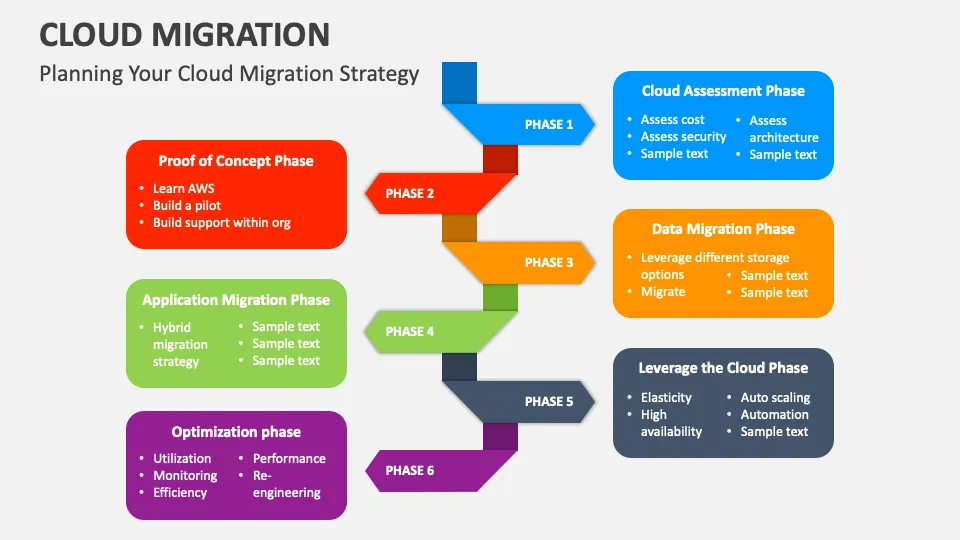
Cloud migration has become a fundamental strategy for businesses seeking to modernize their IT infrastructure and remain competitive in the digital economy. By adopting cloud computing platforms, enterprise cloud solutions, and cloud migration services, organizations can improve scalability, reduce operational costs, and enhance system performance.
In today’s rapidly evolving digital landscape, businesses are constantly seeking ways to improve efficiency, reduce operational costs, and enhance scalability. One of the most effective ways organizations achieve these goals is through cloud migration. Cloud migration refers to the process of moving data, applications, and IT infrastructure from traditional on-premise systems to modern cloud-based environments. As organizations increasingly rely on digital technologies, cloud computing solutions have become essential for supporting modern business operations.
The adoption of cloud technology has accelerated significantly in recent years. Companies of all sizes—from startups to large enterprises—are migrating their infrastructure to cloud platforms to gain flexibility and improve performance. Major cloud providers such as Amazon Web Services, Microsoft Azure, and Google Cloud have made it easier for businesses to transition to scalable cloud environments.
Organizations that implement effective cloud migration strategies can benefit from improved reliability, faster application deployment, and enhanced security capabilities. Additionally, cloud infrastructure enables companies to innovate more rapidly and respond quickly to changing market demands. Understanding how to plan and execute a successful cloud migration strategy is essential for businesses seeking long-term digital transformation.
Cloud migration is the process of transferring digital assets—including applications, databases, servers, and workloads—from traditional IT infrastructure to cloud-based systems. This transition allows organizations to leverage cloud technologies that provide scalable computing resources, advanced analytics capabilities, and automated management tools.
Traditional data centers often require significant investment in hardware, maintenance, and operational management. Businesses must manage servers, networking equipment, and storage systems while ensuring uptime and security. By migrating to the cloud, companies can eliminate many of these responsibilities and rely on cloud providers to manage infrastructure.
One of the most significant benefits of cloud migration is scalability. Businesses can increase or decrease computing resources based on demand, ensuring optimal performance without over-investing in hardware. This flexibility allows companies to adapt quickly to market changes and business growth.
Another advantage is cost efficiency. Instead of purchasing expensive infrastructure upfront, businesses can adopt a pay-as-you-go pricing model. This model allows companies to pay only for the resources they use, making cloud infrastructure services highly cost-effective.
The growing adoption of cloud technology is driven by several factors. One major reason is the need for improved operational efficiency. Traditional IT environments often require complex management processes and frequent hardware upgrades. Cloud platforms simplify these processes by providing centralized management tools and automated updates.
Another reason businesses adopt cloud migration is to improve security. Modern cloud providers offer advanced cloud security solutions that include encryption, identity management, and threat detection. These security features often exceed the capabilities of many traditional on-premise systems.
Cloud computing also supports remote work and distributed teams. Employees can access applications and data from anywhere with an internet connection, enabling organizations to maintain productivity across multiple locations. This capability has become increasingly important as companies adopt flexible work environments.
Additionally, cloud platforms enable faster innovation. Businesses can quickly deploy new applications, experiment with emerging technologies, and scale services globally without the limitations of traditional infrastructure.
Successful cloud migration requires careful planning and selection of the appropriate migration strategy. Businesses typically choose from several cloud migration approaches depending on their technical requirements and organizational goals.
Rehosting, often referred to as “lift and shift,” involves moving applications and workloads to the cloud without making significant modifications. This approach is one of the fastest ways to migrate to the cloud because it requires minimal changes to existing systems.
Businesses often use rehosting when they want to move quickly to cloud infrastructure while maintaining the same application architecture. Although this approach may not fully leverage cloud-native capabilities, it allows organizations to reduce hardware costs and improve scalability.
Replatforming involves making minor adjustments to applications during the migration process to optimize performance in the cloud environment. For example, businesses may migrate databases to cloud-managed database services or integrate cloud storage solutions.
This strategy allows companies to take advantage of certain cloud features without completely redesigning their applications. As a result, organizations can improve efficiency while minimizing development costs.
Refactoring involves redesigning applications to fully utilize cloud-native architecture. This strategy allows businesses to implement microservices, containerization, and serverless computing technologies.
Although refactoring requires more time and resources than other migration strategies, it enables organizations to maximize the benefits of cloud computing. Businesses that adopt this approach can achieve improved scalability, performance, and reliability.
Before migrating to the cloud, businesses must develop a comprehensive migration plan. This planning phase involves assessing current infrastructure, identifying business objectives, and selecting appropriate cloud services.
The first step is conducting an infrastructure assessment. Organizations must analyze existing systems, applications, and data storage requirements to determine which workloads should be migrated. This evaluation helps businesses identify potential challenges and optimize their migration approach.
Next, companies must choose the right cloud deployment model. Businesses can select from public cloud, private cloud, or hybrid cloud environments depending on their operational requirements. Public cloud solutions offer scalability and cost efficiency, while private cloud environments provide greater control over data and security.
Another important aspect of planning is establishing performance and security requirements. Businesses must ensure that migrated applications maintain high availability and comply with regulatory standards.
Organizations that successfully migrate to the cloud can experience numerous benefits that improve operational efficiency and competitive advantage.
One of the most significant advantages is improved scalability. Cloud platforms allow businesses to adjust computing resources based on demand, ensuring consistent performance during peak usage periods.
Another major benefit is cost optimization. By adopting enterprise cloud computing solutions, businesses can eliminate capital expenditures associated with hardware purchases and maintenance.
Cloud platforms also enable faster software development and deployment. Development teams can use cloud-based tools to build, test, and deploy applications more efficiently.
Additionally, cloud migration enhances business continuity and disaster recovery capabilities. Cloud providers offer automated backup systems and data replication services that protect critical information from potential disruptions.
Security is a critical factor when migrating business systems to the cloud. Organizations must implement strong security policies to protect sensitive data and maintain compliance with industry regulations.
Cloud providers typically offer robust security frameworks that include encryption, multi-factor authentication, and access control systems. These tools help organizations safeguard digital assets and prevent unauthorized access.
Businesses must also implement proper identity and access management policies. By restricting access to authorized users, companies can minimize security risks and maintain data integrity.
Regular security audits and monitoring systems are essential for detecting potential threats and maintaining system integrity.
Despite its benefits, cloud migration can present several challenges for businesses. One common challenge is data migration complexity. Transferring large volumes of data from on-premise systems to cloud platforms requires careful planning and reliable migration tools.
Another challenge is application compatibility. Some legacy systems may not function properly in cloud environments without modifications. Organizations may need to redesign or replace outdated applications to ensure compatibility.
Employee training is also an important consideration. Staff members must learn how to manage cloud-based systems and utilize new tools effectively. Providing training programs and technical support can help organizations adapt to cloud technologies more smoothly.
The future of cloud migration is closely tied to advancements in digital technologies. Emerging innovations such as artificial intelligence, machine learning, and edge computing are expected to enhance cloud platforms and expand their capabilities.
AI-powered cloud management tools will enable businesses to automate infrastructure management and optimize performance. These tools can analyze system data to predict demand and allocate resources efficiently.
Another trend is the growing adoption of hybrid and multi-cloud environments. Many organizations are using multiple cloud providers to avoid vendor lock-in and improve operational flexibility.
As cloud technology continues to evolve, businesses will gain access to more powerful tools that support innovation and digital transformation.