
How Much Does It Cost to Build a Multi-Vendor Marketplace in 2026?
06 Oct, 2026


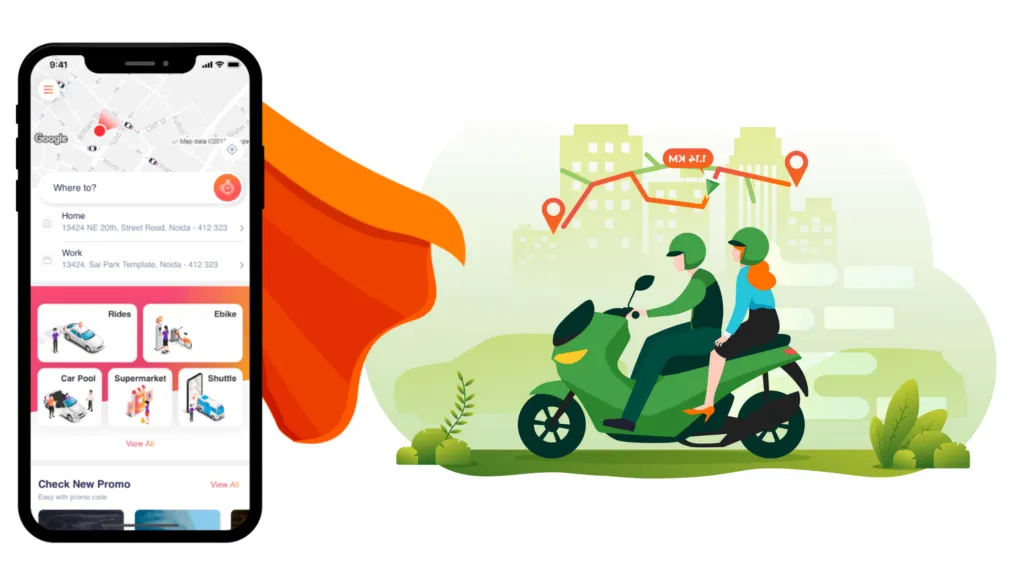
Building a Gojek clone app is a strategic investment in the rapidly growing on-demand economy. By combining multiple services into a single super app platform, businesses can maximize revenue streams and create a powerful digital ecosystem. Success depends on choosing the right technology stack, implementing scalable architecture, ensuring data security, and executing a strong SEO strategy. With proper planning and execution, a Gojek clone can evolve into a dominant multi-service marketplace that competes effectively in global markets.
The rise of super apps has transformed the digital economy, and one of the most successful examples is Gojek. Originally launched as a ride-hailing platform, Gojek evolved into a multi-service ecosystem offering transportation, food delivery, grocery delivery, digital payments, courier services, and more all within a single application. Today, entrepreneurs across the globe are exploring Gojek clone app development to build their own multi-service super apps. A Gojek clone is not merely a ride-booking app it is a comprehensive on-demand marketplace that connects customers, service providers, and administrators through an integrated digital platform.
This guide provides a detailed understanding of how to build a Gojek clone app, including system architecture, technology stack, features, monetization strategies, development cost, scalability, and SEO strategies. If you are planning to build a multi-service app like Gojek, this structured overview will serve as a practical blueprint.
A Gojek clone is a customizable multi-service mobile application designed to replicate the functionality of a super app. It allows users to access multiple services such as:
Instead of launching separate apps for each service, businesses can consolidate them into one unified ecosystem. This approach increases user retention, improves cross-selling opportunities, and enhances revenue streams.
A successful Gojek clone app consists of four primary modules:
1. Customer App
The customer application allows users to book rides, order food, schedule services, make payments, track orders, and manage their profiles. It must provide a seamless, intuitive user experience.
2. Service Provider App
This app is designed for drivers, delivery agents, and service professionals. It enables them to accept requests, track routes, update availability status, and monitor earnings.
3. Merchant/Vendor App
Restaurants, grocery stores, and other vendors manage orders, update menus, and track performance analytics through this interface.
4. Admin Panel
The administrative dashboard controls the entire ecosystem, including user management, commission configuration, analytics, payment settlements, promotions, and dispute resolution.
To compete in the on-demand economy, your Gojek clone app must include robust features:
Real-time GPS tracking
Multi-payment integration (cards, wallets, UPI)
Service categorization dashboard
In-app chat and notifications
Ratings and reviews system
Promo codes and referral system
Wallet and cashback management
Dynamic pricing and surge logic
Multi-language and multi-currency support
Advanced features may include AI-based recommendations, predictive demand analytics, and smart route optimization.
Selecting the right technology stack is critical for scalability and performance.
Frontend (Mobile Apps):
Flutter (cross-platform)
React Native
Swift (iOS)
Kotlin (Android)
Backend Development:
Node.js
Django
Laravel
Database:
PostgreSQL
MySQL
MongoDB
Cloud Infrastructure:
AWS
Google Cloud
Microsoft Azure
Real-Time Communication:
WebSockets
Firebase Cloud Messaging
A microservices architecture is recommended for large-scale super apps. It allows independent scaling of services such as ride booking, food delivery, and wallet management.
A Gojek clone app requires a distributed architecture capable of handling high concurrency. The system typically includes:
API Gateway for routing requests
Authentication service
Ride service
Delivery service
Payment service
Notification service
Analytics service
Load balancers distribute incoming traffic across multiple servers. Message queues like Kafka or RabbitMQ handle asynchronous communication. Redis caching improves response time.
A Gojek clone super app generates revenue through multiple channels:
Commission per ride or order
Subscription plans for vendors
Surge pricing during peak hours
Advertisement placements
Delivery charges
Featured listings
Wallet transaction fees
Diversified revenue streams ensure long-term sustainability.
Developing a Gojek clone offers significant business advantages:
Increased user engagement
Cross-service marketing opportunities
Higher lifetime customer value
Reduced acquisition cost per service
Strong brand ecosystem
Super apps create a network effect—more services attract more users, and more users attract more service providers.
The development cost depends on complexity and region.
Basic MVP: $30,000 – $50,000
Mid-level super app: $60,000 – $100,000
Enterprise-grade scalable solution: $150,000+
Timeline ranges from 4 to 9 months depending on features and integrations.
Businesses can also purchase a ready-made Gojek clone script to reduce development time and initial investment.
To rank in Google search, focus on high-intent keywords such as:
Gojek clone app development
Gojek clone script
Multi service app development
Super app development company
Build app like Gojek
On demand multi service app
Gojek like app solution
Cost to develop Gojek clone
White label Gojek clone
Super app development services
Content marketing, technical blogs, case studies, and optimized landing pages improve organic traffic.
Developing a super app involves several technical and operational challenges:
High server load management
Real-time tracking accuracy
Vendor onboarding and management
Regulatory compliance
Data security and privacy
Quality assurance across services
Careful planning and robust testing mitigate these risks.
The future of super apps includes:
AI-powered demand forecasting
Blockchain-based secure payments
Voice-enabled booking systems
Integration with IoT devices
Hyperlocal delivery automation
Green mobility solutions
Adopting emerging technologies enhances competitiveness.
Deployment requires:
Cloud server configuration
CI/CD pipeline setup
App Store and Play Store publishing
Performance monitoring tools
Regular updates and maintenance
Using Docker and Kubernetes ensures efficient container management and horizontal scaling.