
How Much Does It Cost to Build a Multi-Vendor Marketplace in 2026?
06 Oct, 2026


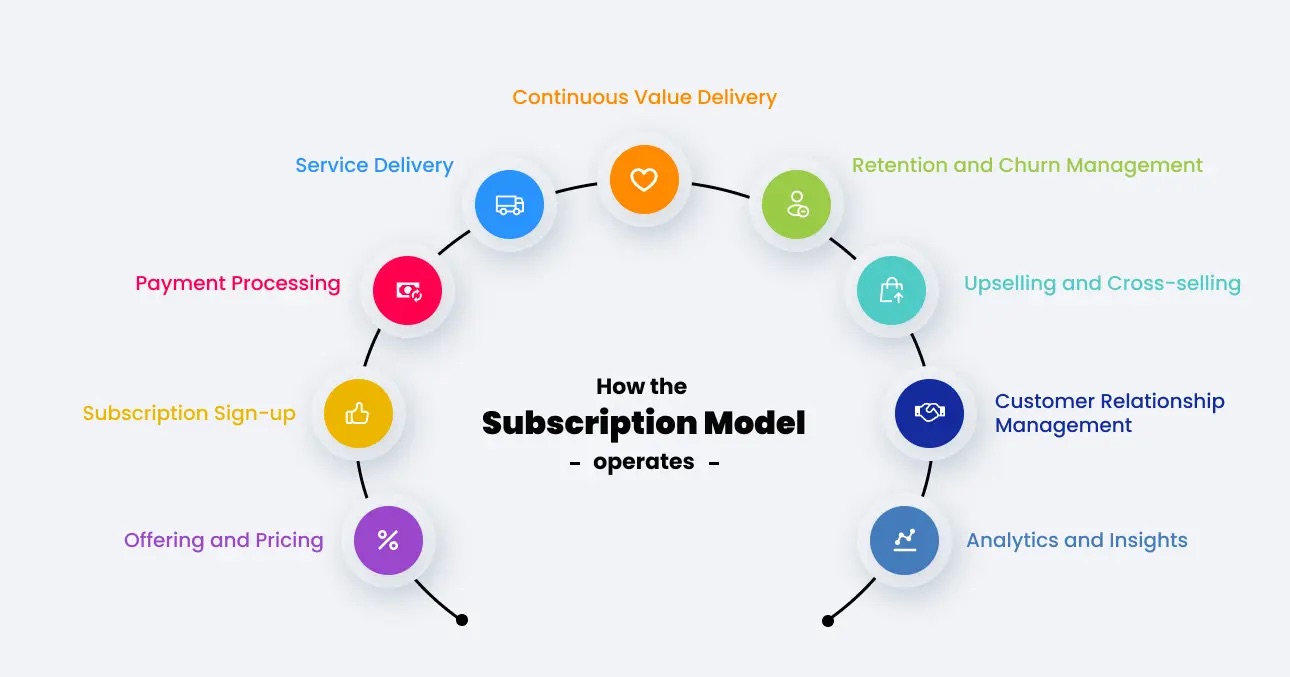
Subscription-based software platforms have revolutionized the technology industry by introducing a scalable and sustainable revenue model. Through recurring subscriptions, tiered pricing strategies, freemium models, and upselling opportunities, SaaS companies generate consistent revenue while delivering continuous value to customers. The combination of cloud computing, data analytics, and digital marketing strategies has enabled businesses to build highly profitable software ecosystems. As the demand for digital tools continues to grow, subscription-based SaaS platforms, cloud software services, and enterprise SaaS solutions will remain central to the modern technology landscape. Companies that successfully leverage these models can achieve long-term growth and establish strong positions within the competitive software market.
The software industry has experienced a massive transformation over the past two decades, moving away from traditional one-time software purchases toward subscription-based models. This shift has fundamentally changed how companies generate revenue and deliver digital products to customers. Modern businesses increasingly rely on subscription-based software platforms because they provide predictable income streams, scalable growth opportunities, and long-term customer relationships. With the rapid growth of cloud computing and digital services, many companies now operate using the Software as a Service (SaaS) model.
Subscription-based platforms allow users to access software services by paying recurring fees, typically on a monthly or annual basis. Instead of purchasing a software license once and owning it permanently, customers subscribe to the service and receive continuous updates, security improvements, and support. This approach has become extremely popular across industries such as project management, customer relationship management, cloud storage, and digital marketing tools. Businesses are increasingly adopting SaaS subscription platforms, cloud-based software services, and enterprise SaaS solutions because they offer flexibility and cost efficiency.
The success of companies such as Salesforce and Adobe demonstrates the power of the subscription model. These companies have built billion-dollar businesses by delivering software services through subscription-based pricing structures. Understanding how subscription-based software platforms generate revenue can help entrepreneurs and technology companies build sustainable and profitable business models.
The foundation of subscription-based software revenue lies in the Software as a Service (SaaS) business model. SaaS platforms deliver applications through the cloud rather than requiring users to install software on local devices. Customers access these services through web browsers or mobile applications, which makes the software accessible from anywhere with an internet connection.
The SaaS model allows companies to generate revenue through recurring subscriptions rather than one-time software purchases. This recurring revenue structure provides financial stability because businesses can predict their future income based on active subscriptions. Investors often view SaaS companies as highly valuable because their recurring revenue streams create long-term profitability.
One of the key advantages of SaaS platforms is scalability. Because software is hosted on cloud infrastructure, companies can serve thousands or even millions of users without significantly increasing operational costs. As more customers subscribe to the platform, revenue grows while infrastructure costs remain relatively manageable. This scalability is one of the reasons why cloud-based SaaS platforms have become dominant in the modern technology industry.
The most important aspect of subscription-based software platforms is recurring revenue. Instead of relying on one-time purchases, businesses generate income continuously from active subscribers. This recurring revenue model provides predictable cash flow and allows companies to plan long-term growth strategies.
Recurring subscriptions are typically offered in monthly or annual payment plans. Monthly subscriptions provide flexibility for customers, while annual subscriptions often include discounts that encourage longer commitments. These pricing structures help companies maintain consistent revenue streams and reduce the risk of sudden income fluctuations.
Predictable revenue also allows SaaS companies to invest in product development, marketing, and customer support. By analyzing subscription data, businesses can forecast future revenue and allocate resources effectively. Many successful SaaS companies rely on key performance indicators such as monthly recurring revenue (MRR) and annual recurring revenue (ARR) to measure financial performance.
One of the most effective ways subscription-based platforms generate revenue is through tiered pricing models. Tiered pricing offers multiple subscription plans with different features and pricing levels. This strategy allows businesses to serve customers with varying needs and budgets.
For example, a SaaS platform may offer a basic plan with limited features for small businesses or individual users. A professional plan may include advanced tools and integrations for growing companies. Enterprise plans typically provide premium features, priority support, and advanced security capabilities for large organizations.
Tiered pricing not only increases revenue potential but also encourages customers to upgrade as their needs grow. As businesses expand, they often require additional features or higher usage limits, which leads them to upgrade to more expensive subscription tiers. This strategy helps companies maximize SaaS revenue growth and improve customer lifetime value.
Another common revenue strategy used by subscription-based software platforms is the freemium model. In this approach, companies offer a free version of their software with limited features while charging for premium functionality. The free version allows users to experience the product before committing to a paid subscription.
Freemium models are particularly effective for customer acquisition because they reduce the barrier to entry. Users can explore the platform without financial risk, which increases the likelihood of adoption. Once users become familiar with the software, many eventually upgrade to paid plans to access advanced features.
Many successful SaaS companies use this strategy to attract large user bases. For example, Dropbox gained millions of users by offering free cloud storage while charging for additional storage capacity and advanced features. The freemium model allows businesses to generate revenue by converting free users into paying customers over time.
Customer retention plays a critical role in the success of subscription-based software platforms. Because revenue is generated from ongoing subscriptions, companies must focus on keeping customers satisfied and engaged. Retaining existing customers is often more cost-effective than acquiring new ones.
Customer lifetime value (CLV) is an important metric used to measure the total revenue a company can expect from a customer over the duration of their subscription. Increasing customer lifetime value helps businesses maximize profitability and improve long-term sustainability.
To improve retention, SaaS companies invest heavily in customer support, product updates, and user experience improvements. By continuously adding new features and enhancing performance, companies encourage customers to maintain their subscriptions. This approach ensures steady growth in subscription-based software revenue.
Upselling and cross-selling are powerful techniques used by SaaS companies to increase revenue from existing customers. Upselling involves encouraging customers to upgrade to higher subscription tiers with additional features or capabilities. Cross-selling involves offering complementary products or services that enhance the core software platform.
For example, a project management SaaS platform might offer additional integrations, advanced analytics tools, or team collaboration features as premium add-ons. These additional services generate incremental revenue while providing greater value to customers.
Many SaaS platforms also offer customization options for enterprise clients. Large organizations often require specialized features or integrations, and companies can charge premium prices for these services. This approach significantly boosts enterprise SaaS revenue models.
Cloud computing infrastructure plays a crucial role in enabling subscription-based software platforms to scale efficiently. Cloud providers such as Amazon Web Services and Microsoft Azure provide the underlying infrastructure that powers many SaaS applications.
By hosting software on cloud platforms, companies can deliver services to users globally without maintaining expensive on-premise hardware. Cloud infrastructure also allows SaaS platforms to handle high traffic volumes and rapidly expand their user base.
This flexibility allows businesses to launch new features quickly and adapt to changing market demands. Cloud-based SaaS platforms can scale resources dynamically based on user demand, ensuring consistent performance while optimizing operational costs.
Data analytics plays a vital role in maximizing the revenue potential of subscription-based software platforms. SaaS companies collect valuable insights about user behavior, feature usage, and customer preferences. By analyzing this data, businesses can identify opportunities to improve their products and increase revenue.
Personalization is another important factor in SaaS success. By tailoring software features and recommendations to individual users, companies can enhance the user experience and encourage longer subscription durations. Personalized onboarding experiences, targeted feature recommendations, and customized pricing plans all contribute to improved customer engagement.
Advanced analytics tools also help companies identify at-risk customers who may cancel their subscriptions. By proactively addressing customer concerns, businesses can reduce churn and maintain steady SaaS subscription revenue growth.
Marketing plays a critical role in generating revenue for subscription-based software platforms. SaaS companies rely heavily on digital marketing strategies such as content marketing, search engine optimization, and online advertising to attract new customers.
Search engine optimization (SEO) is particularly important because many users search online for software solutions before making purchasing decisions. By targeting high-value SaaS keywords, companies can attract potential customers who are actively looking for software services.
Paid advertising campaigns also help SaaS companies reach targeted audiences. Businesses often invest in high-converting SaaS marketing strategies, including pay-per-click advertising and social media marketing. These strategies help companies acquire new subscribers and expand their customer base.
The future of subscription-based software platforms looks extremely promising as digital transformation continues across industries. Businesses increasingly rely on cloud-based tools to manage operations, analyze data, and collaborate remotely. This growing demand ensures continued expansion of the SaaS industry.
Emerging technologies such as artificial intelligence and machine learning are also enhancing SaaS platforms. AI-powered features such as predictive analytics, automated workflows, and intelligent recommendations are becoming standard components of modern software platforms.
Additionally, the global shift toward remote work and digital collaboration has accelerated the adoption of SaaS tools. Companies are investing heavily in enterprise SaaS solutions, cloud collaboration platforms, and AI-powered business software to support distributed teams and digital workflows.