
How Much Does It Cost to Build a Multi-Vendor Marketplace in 2026?
06 Oct, 2026


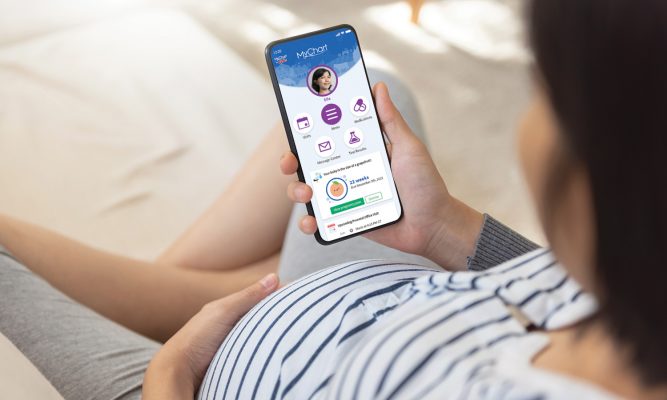
Pregnancy tracking apps have revolutionized the way women experience pregnancy. They provide valuable information, emotional support, health monitoring, and organizational tools that make the journey more manageable and enjoyable. While they should not replace professional medical care, they serve as powerful companions that empower women with knowledge and confidence. As technology advances, pregnancy apps are expected to play an even greater role in maternal healthcare, helping ensure healthier pregnancies and better outcomes for mothers and babies alike.
Pregnancy is one of the most transformative journeys in a woman’s life. From the excitement of discovering a positive pregnancy test to preparing for childbirth, every stage brings new emotions, physical changes, and responsibilities. In today’s digital age, technology has made this journey easier and more informed through pregnancy tracking apps. These mobile applications have become trusted companions for millions of expecting parents worldwide, helping them monitor health, track baby development, and stay organized throughout pregnancy.
A pregnancy tracking app is a mobile application designed to guide women during pregnancy by providing personalized information, reminders, and health-tracking tools. These apps offer weekly updates about fetal growth, symptom monitoring, doctor appointment reminders, nutrition advice, and even emotional support. With smartphones becoming an essential part of daily life, pregnancy apps have emerged as a convenient and accessible healthcare support system.
One of the biggest advantages of pregnancy tracking apps is the ability to monitor baby development week by week. Most apps provide detailed information about the baby’s size, weight, and organ development. For example, an app may tell a mother that her baby is now the size of an avocado or a mango, making the experience more relatable and exciting. These updates help expecting parents understand what is happening inside the womb and create a stronger emotional connection with the unborn child.
Another important feature of pregnancy apps is health tracking. During pregnancy, women experience various physical and emotional changes, including nausea, fatigue, mood swings, cravings, and body pain. Pregnancy tracking apps allow users to log symptoms daily and monitor patterns over time. This information can help women identify unusual symptoms and discuss them with healthcare providers. Some apps even provide alerts about warning signs that require medical attention, helping improve maternal safety.
Nutrition and fitness guidance are also major components of pregnancy apps. Proper nutrition is crucial during pregnancy because it directly affects the health of both mother and baby. Many apps provide meal plans, healthy recipes, hydration reminders, and information about essential nutrients such as folic acid, calcium, iron, and protein. Additionally, fitness sections often include safe prenatal exercises, yoga routines, breathing techniques, and stretching activities that help women stay active and reduce stress during pregnancy.
Pregnancy tracking apps are especially useful for appointment management and medication reminders. Pregnant women typically attend multiple medical checkups, ultrasounds, and laboratory tests throughout the nine months. Remembering every appointment and supplement schedule can be challenging. Apps simplify this process by offering calendar integration and reminder notifications. This feature ensures that women do not miss important prenatal visits or medications, which are critical for a healthy pregnancy.
Mental health support is another valuable aspect of these applications. Pregnancy can sometimes bring anxiety, stress, and emotional uncertainty. Many apps include meditation exercises, motivational content, mood trackers, and community discussion forums where mothers can connect with others experiencing similar situations. Such emotional support can reduce feelings of isolation and help women feel more confident and prepared for motherhood.
Some pregnancy tracking apps also involve partners and family members in the journey. Features like shared accounts, baby kick counters, and milestone updates allow fathers and relatives to stay connected and participate actively in the pregnancy experience. This shared involvement can strengthen family bonds and create a supportive environment for the expecting mother.
In recent years, advanced technologies such as artificial intelligence (AI) and wearable device integration have further improved pregnancy apps. Some applications can now analyze health data and provide personalized recommendations based on a user’s symptoms, lifestyle, and medical history. Integration with smartwatches and fitness trackers allows monitoring of sleep patterns, heart rate, physical activity, and stress levels. These innovations make pregnancy management more accurate and convenient.
Despite their many benefits, pregnancy tracking apps also have some limitations and concerns. One major issue is data privacy and security. Since these apps collect sensitive personal and medical information, there is always a risk of data misuse or cyberattacks. Users must carefully review privacy policies before sharing information. Choosing trusted apps from reputable developers is essential to ensure data protection.
Another concern is the reliability of medical information provided by some apps. Not all pregnancy apps are developed with the guidance of healthcare professionals. Inaccurate advice or misleading information can create unnecessary panic or false reassurance. Therefore, pregnancy apps should never replace professional medical consultation. They should be used as supportive tools alongside regular healthcare services.
Accessibility is another challenge. While many apps are available for free, premium features often require subscriptions. In low-income communities or rural areas with limited internet access, some women may not benefit fully from these digital tools. Language barriers can also affect usability if apps are not available in local languages.
Popular pregnancy tracking apps available today include Pregnancy+, What to Expect, The Bump, and Ovia Pregnancy Tracker. These apps offer features such as baby development visualization, contraction timers, symptom checkers, parenting articles, and community support. Their popularity demonstrates the growing demand for digital maternal healthcare solutions.
The future of pregnancy tracking apps looks promising. As healthcare technology continues to evolve, these applications may become even more personalized and medically integrated. Future apps could include remote monitoring systems connected directly to hospitals, AI-powered risk prediction tools, and virtual consultations with doctors. Such advancements could improve prenatal care, especially in regions with limited healthcare access.