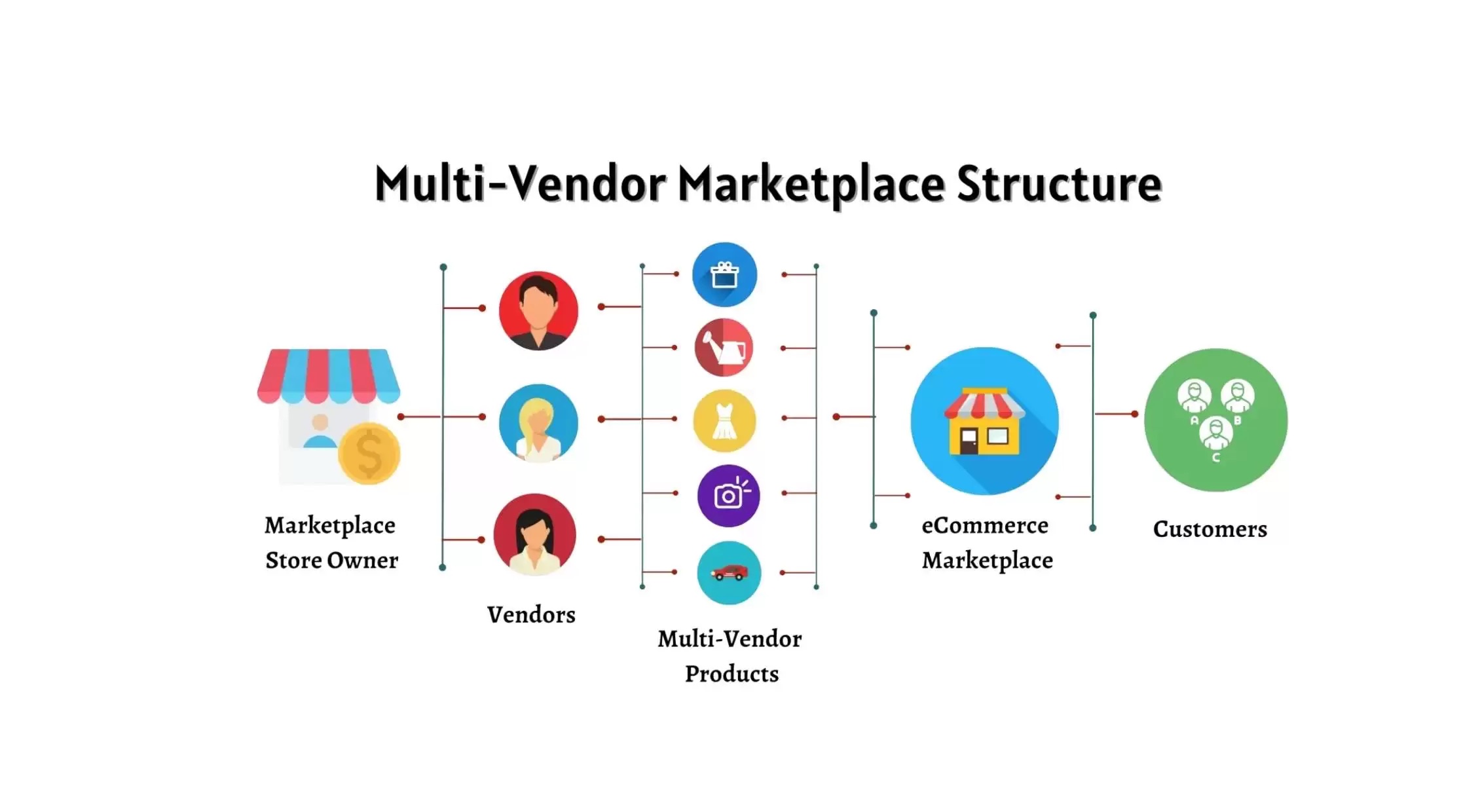

How Much Does It Cost to Build a Multi-Vendor Marketplace in 2026?
06 Oct, 2026


Clone script websites provide a practical and efficient way to enter the digital marketplace. By leveraging pre-built solutions, entrepreneurs can save time, reduce costs, and build upon proven business models. However, success is not guaranteed. It requires thoughtful customization, strategic planning, and continuous improvement.
In today’s fast-evolving digital economy, entrepreneurs are constantly looking for faster and more cost-effective ways to launch online businesses. One popular approach is using clone scripts—ready-made software solutions designed to replicate the core features of successful platforms. From e-commerce marketplaces to ride-sharing apps and social media networks, clone script websites have opened doors for startups to enter competitive markets with reduced development time and cost.
This article explores what clone script websites are, why they are popular, how to build one effectively, and the challenges you should be aware of before diving in.
A clone script website is a pre-built software solution that mimics the functionality of an existing successful platform. For example, if you want to create a website similar to a popular marketplace or booking service, you can use a clone script that already includes essential features such as user registration, payment systems, and admin dashboards.
It’s important to note that clone scripts do not mean copying content or violating intellectual property. Instead, they replicate general features and workflows, allowing entrepreneurs to customize and create their own unique platform.
The popularity of clone script websites stems from several key advantages:
1. Faster Time to Market
Developing a website from scratch through custom software development can take months or even years. Clone scripts significantly reduce development time, allowing businesses to launch quickly and start attracting users.
2. Cost-Effective Solution
Custom development requires a team of developers, designers, and testers. Clone scripts eliminate much of this expense, making them ideal for startups with limited budgets.
3. Proven Business Models
Clone scripts are based on already successful platforms. This reduces the risk associated with trying out completely new and untested business ideas.
4. Customization Options
Most modern clone scripts allow extensive customization. You can modify design, features, and workflows to suit your business goals and target audience.
Clone scripts are available for a wide range of industries. Some of the most common categories include:
Each category offers unique opportunities depending on your market demand and expertise.
To build a successful clone script website, you need more than just basic functionality. Here are essential features to consider:
1. User-Friendly Interface
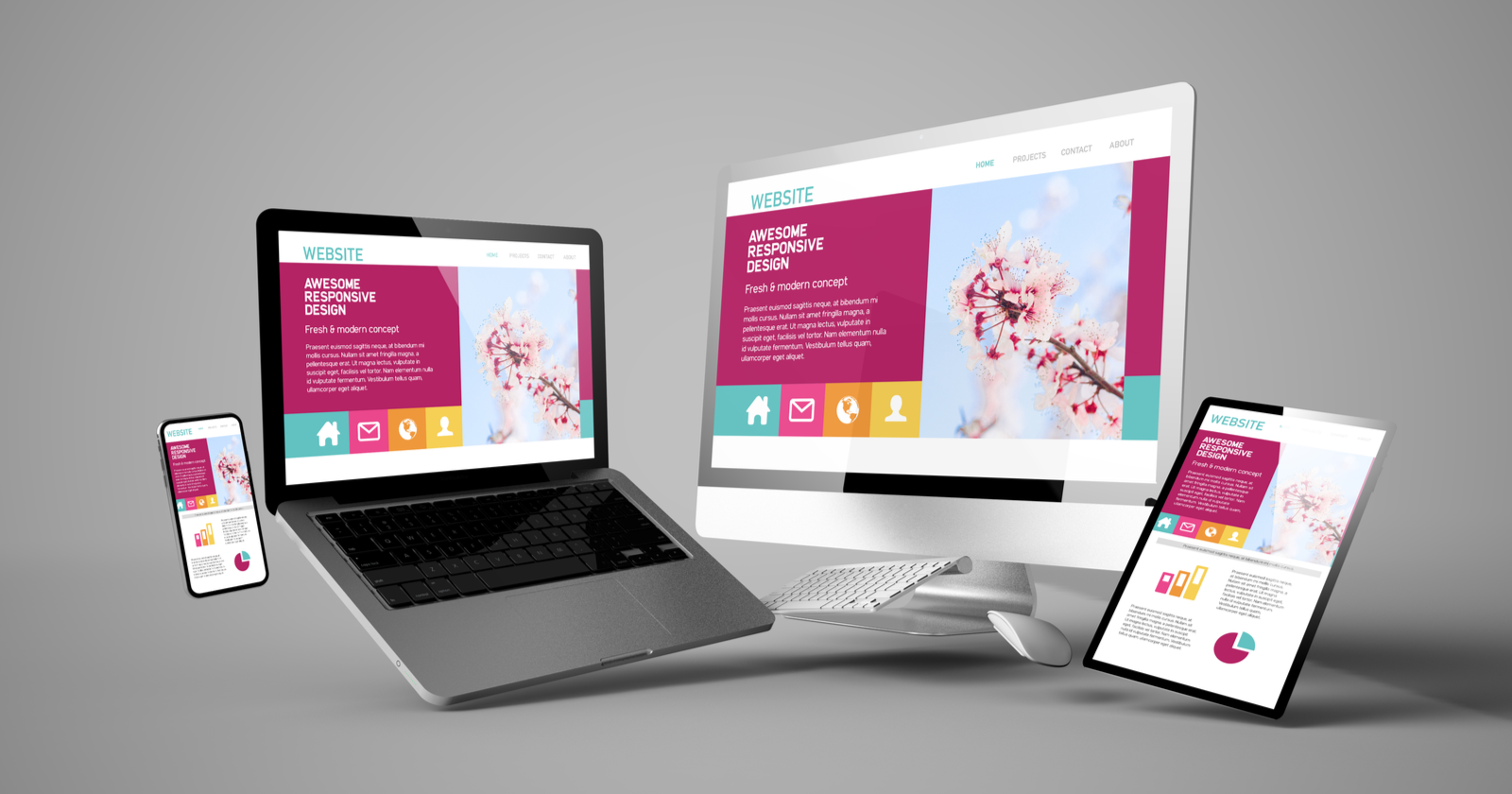
Your website should be easy to navigate, visually appealing, and responsive across devices. A smooth user experience is crucial for retaining visitors.
2. Secure Payment Integration
Whether you’re running a marketplace or service platform, secure payment gateways are essential. Users must trust your platform with their financial transactions.
3. Admin Dashboard
A powerful admin panel helps you manage users, transactions, content, and analytics efficiently.
4. Scalability
Your platform should be able to handle growth. Choose a script that supports scalability in terms of users, data, and features.
5. Mobile Compatibility
With the majority of users accessing services via smartphones, mobile responsiveness or dedicated apps are critical.
6. Customization and Branding
Your website should stand out from competitors. Unique branding and feature enhancements are necessary to avoid being just another “clone.”
Creating a clone script website involves several strategic steps:
Step 1: Choose the Right Niche
Select a niche based on market demand, competition, and your expertise. Avoid overly saturated markets unless you have a strong differentiator.
Step 2: Select a Reliable Software Provider (Explore our ready-made software products)
Not all clone scripts are equal. Look for providers offering secure, regularly updated, and well-supported software.
Step 3: Customize the Platform
Modify the script to reflect your brand identity. Add unique features or improve existing ones to create a distinctive user experience.
Step 4: Integrate Essential Tools
Incorporate payment gateways, analytics tools, SEO features, and security systems.
Step 5: Test Thoroughly
Before launching, test your platform for bugs, usability issues, and performance under load.
Step 6: Launch and Market
After deployment, focus on marketing strategies such as SEO, social media, and paid advertising to attract users.
While clone scripts offer many benefits, they also come with certain challenges:
1. High Competition
Since many entrepreneurs use clone scripts, competition can be intense. Standing out requires innovation and strong branding.
2. Limited Flexibility
Some scripts may have limitations in customization, making it difficult to implement advanced features.
3. Security Risks
Poorly coded scripts can expose your website to vulnerabilities. Always choose trusted providers and keep your system updated.
4. Legal Considerations
You must ensure your platform does not violate copyrights, trademarks, or patents. Avoid copying logos, names, or proprietary designs.
To maximize the potential of your clone script website, follow these best practices:
Focus on Value Addition
Instead of merely copying an existing platform, identify gaps and improve the user experience. Offer features or services that competitors lack.
Invest in UI/UX Design
A visually appealing and intuitive interface can significantly enhance user engagement and retention.
Optimize for SEO
Search engine optimization helps drive organic traffic. Use proper keywords, fast-loading pages, and quality content.
Provide Excellent Customer Support
Responsive support builds trust and encourages repeat users.
Regular Updates and Maintenance
Keep your platform updated with new features, bug fixes, and security patches.
As technology continues to evolve, clone script websites are becoming more sophisticated. Integration with artificial intelligence, machine learning, and advanced analytics is transforming how these platforms operate. Entrepreneurs who leverage these technologies can gain a competitive edge and deliver better user experiences.
Moreover, as markets become more niche-focused, there is increasing demand for specialized platforms catering to specific audiences. This trend creates new opportunities for clone script-based businesses to thrive.
Launch your next digital venture quickly with TechXons proven clone scripts and bespoke customization services.